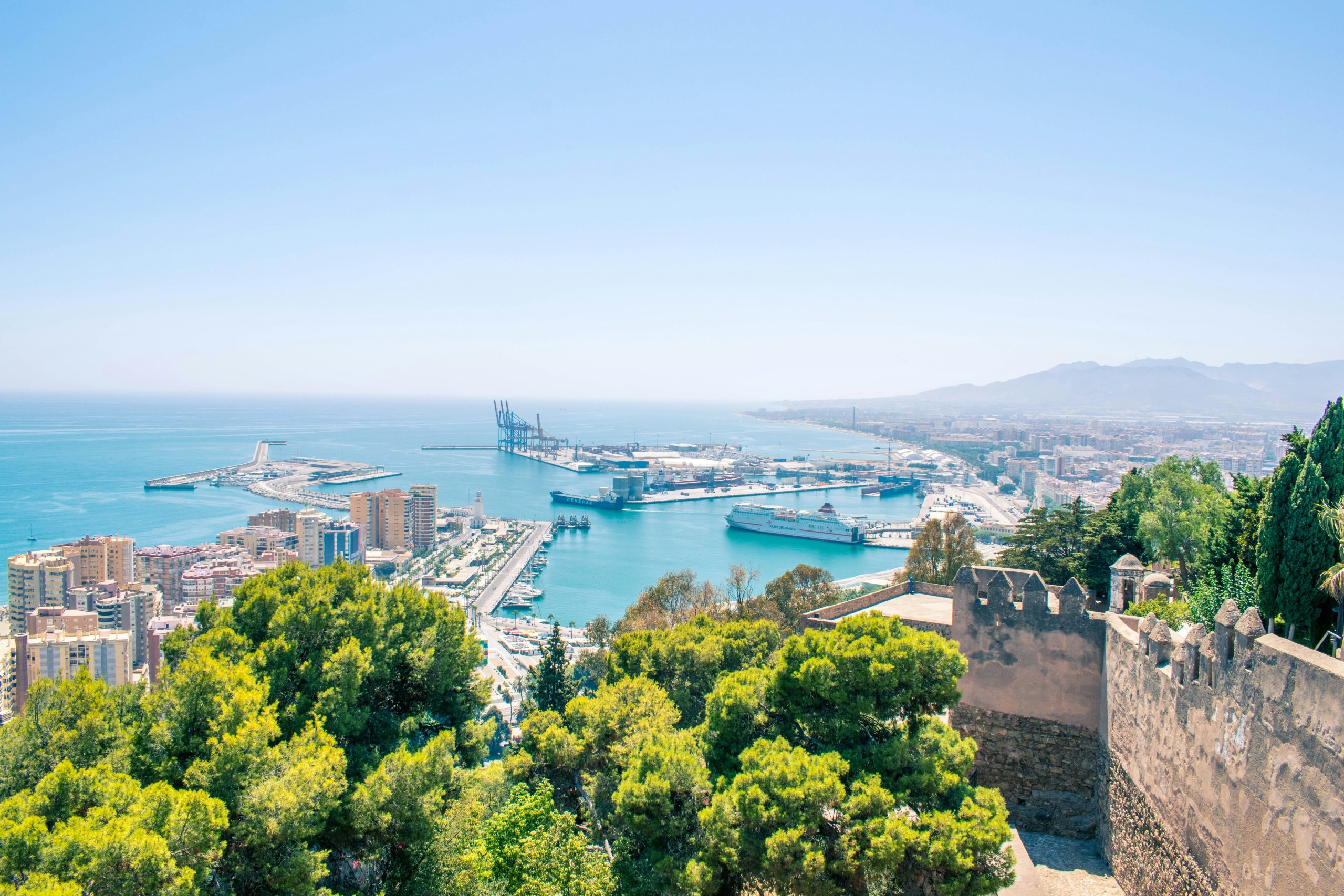
Málaga punches well above its weight as a budget-friendly cultural destination in southern Spain, yet most travelers bypass it entirely. They land at Málaga-Costa del Sol Airport en route to Marbella, assume the city offers only cruise ship tourism and beach bars, then fly straight out. This misconception costs visitors dearly.
The city delivers exceptional free cultural experiences that rival costlier Spanish destinations. The Alcazaba fortress, Picasso Museum, and Cathedral all offer free or heavily discounted entry during specific hours. Walking the historic Casco Antiguo (Old Town) costs nothing and reveals narrow Moorish streets, whitewashed plazas, and local tapas bars where drinks come with complimentary snacks.
Málaga's beaches stretch for miles without the price tags of nearby Marbella resorts. Playa del Palo and Playa de la Malagueta provide sand and sea access for zero euros. The Paseo Marítimo waterfront promenade attracts joggers, families, and sunset watchers at no cost.
The city's status as one of Spain's cheapest culture hubs stems from its port traffic and package tourism infrastructure. Hotels cluster near beaches and cruise terminals, leaving the historic center underutilized and affordable. Hostels here run significantly cheaper than Barcelona or Madrid equivalents, typically 15-25 euros per night for dorm beds.
Food costs reflect this affordability. Bocadillos run 3-5 euros, while full meals at neighborhood restaurants rarely exceed 12 euros. Local markets like Atarazanas offer fresh produce and street food for pocket change.
For travelers building southern Spain itineraries, Málaga now competes seriously with Granada and Seville. The city anchors a three-day Costa del Sol circuit combining culture, beaches, and