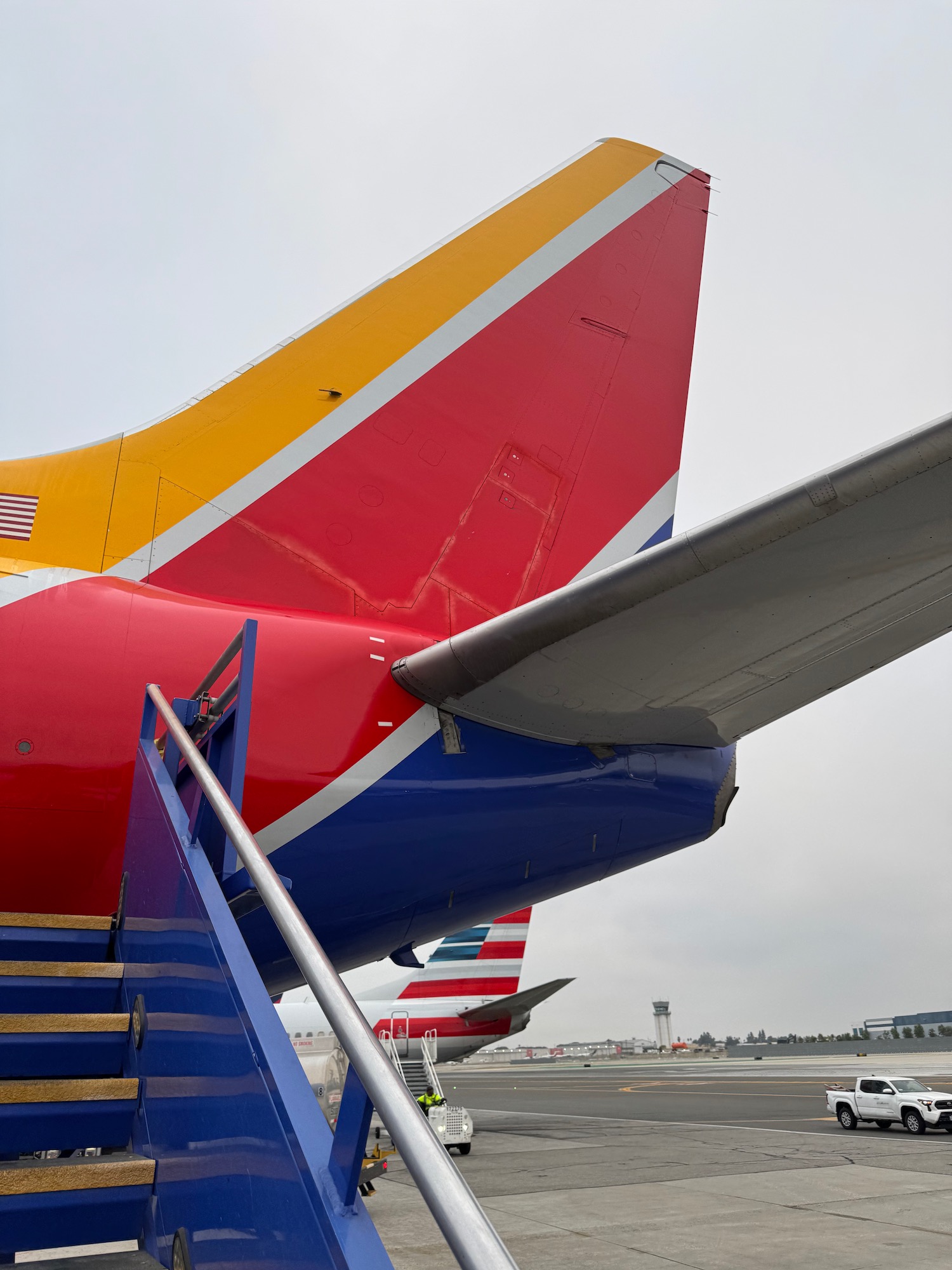
Southwest Airlines faces a pivotal moment as activist investor Elliott Management reshapes the carrier's identity and operations, leaving loyal customers caught between nostalgia and transformation.
For decades, Southwest built its reputation on the "LUV" brand. Free checked bags, friendly service, and open seating created a devoted following that tolerated operational chaos and basic amenities. The airline became synonymous with low-cost domestic travel across America.
Elliott Management's intervention signals a dramatic shift. The activist investor group demands operational efficiency, streamlined processes, and a complete reimagining of how Southwest conducts business. This means potential changes to beloved perks and the beloved culture that built the brand.
The core tension emerges among Southwest's most devoted customers. These "LUV cult" followers feel an emotional attachment to the airline's quirky personality and beloved policies. They question whether chasing operational perfection and investor returns will destroy what made Southwest different from United, American, and Delta.
Southwest operates over 4,000 daily flights across North America, making it America's largest domestic carrier by passenger volume. Its blue planes dot airports from Boston to Honolulu. The airline's low-cost model historically undercut competitors while maintaining service standards.
Elliott's playbook typically prioritizes profitability over brand personality. This creates real stakes for travelers. Will baggage remain free? Does Southwest ditch the chaotic open seating that encourages community boarding? How does the airline balance cost-cutting with the service culture that built customer loyalty?
Current Southwest customers face decisions. Accept operational improvements and potential cost-cutting measures, or explore alternatives like Spirit, Frontier, or budget-friendly fares on legacy carriers. The airline's next moves will determine whether it retains its cult following or becomes just another carrier chasing quarterly earnings.
Elliott's influence represents a broader trend. Activist investors increasingly target airlines, viewing them as underperforming