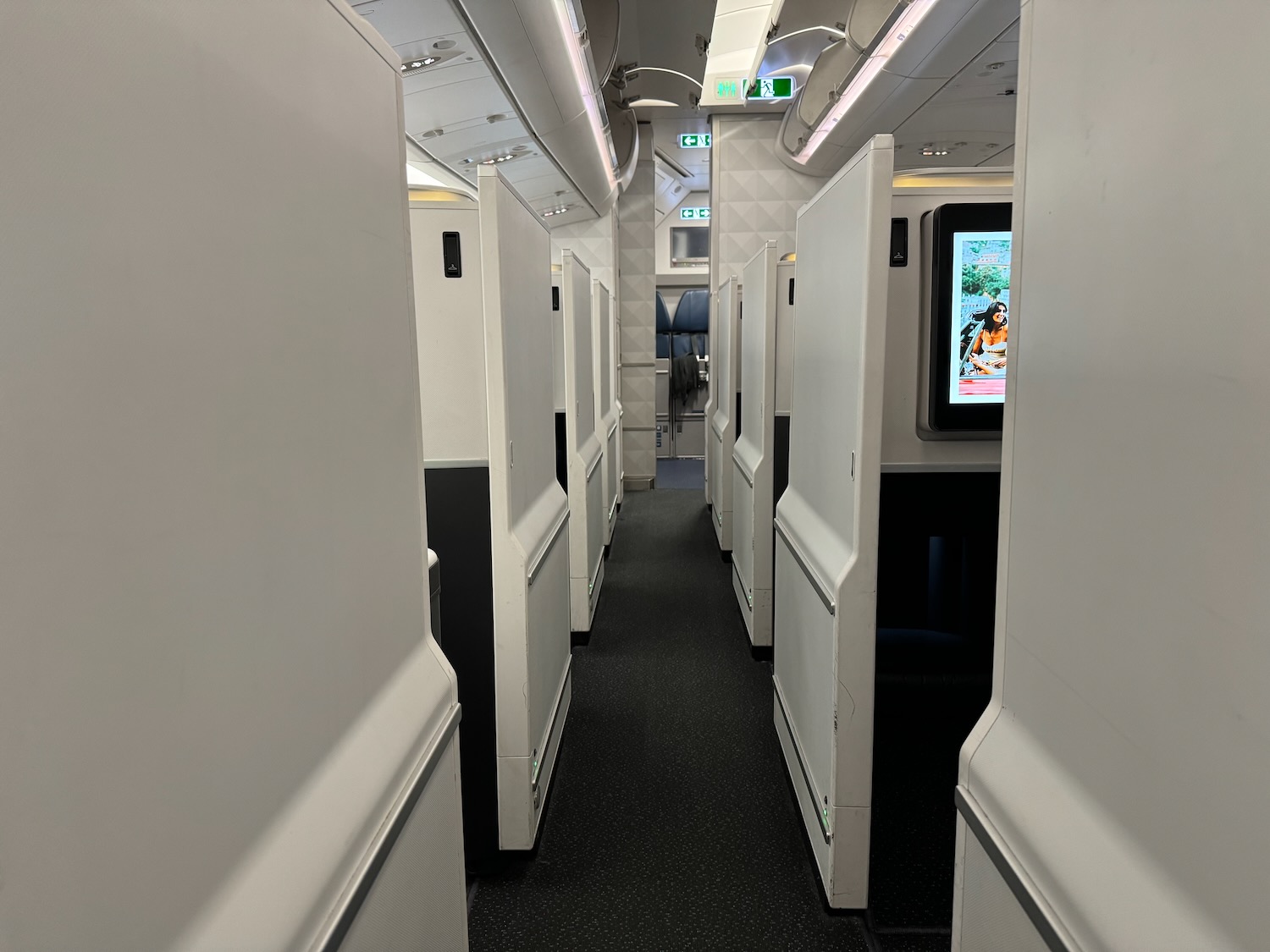
Delta Air Lines is betting heavily on premium long-haul travel with its new Airbus A330-900neo fleet. The aircraft will feature 56 Delta One suites, nearly double the capacity of what the airline typically configures on similar widebody aircraft. This makes Delta's approach comparable to United Airlines and American Airlines, which have both pursued premium-dense configurations for their own next-generation fleets.
The A330-900neo represents a significant shift in Delta's widebody strategy. By dedicating more than half the cabin to premium seating, Delta capitalizes on the strong demand for business-class travel on long-haul routes. Each Delta One suite includes direct aisle access, lie-flat beds, and amenities designed for corporate travelers and premium leisure passengers willing to pay premium fares.
This configuration reflects a broader industry trend. Airlines discovered during post-pandemic recovery that wealthy travelers prioritize comfort and are less price-sensitive than economy passengers. American Airlines has similarly configured its Boeing 787 Dreamliners and Airbus A321XLRs with expanded premium cabins. United follows suit with its 777-300ER retrofits and newer aircraft orders.
For Delta passengers, this strategy carries mixed implications. Business travelers benefit from improved seating and service standards. However, the reduction in economy seats could mean higher fares for budget-conscious travelers on these routes, as airlines spread operating costs across fewer passengers in economy.
The A330-900neo operates efficiently on ultra-long-haul routes, covering distances up to 8,700 nautical miles. Delta's new configuration will likely deploy on transatlantic and transpacific routes where premium demand remains strong. The aircraft's fuel efficiency and range make it an attractive alternative to older widebodies like the Boeing 777 or Airbus A350, offering better economics while maximizing high-margin revenues.
Delta joins competitors