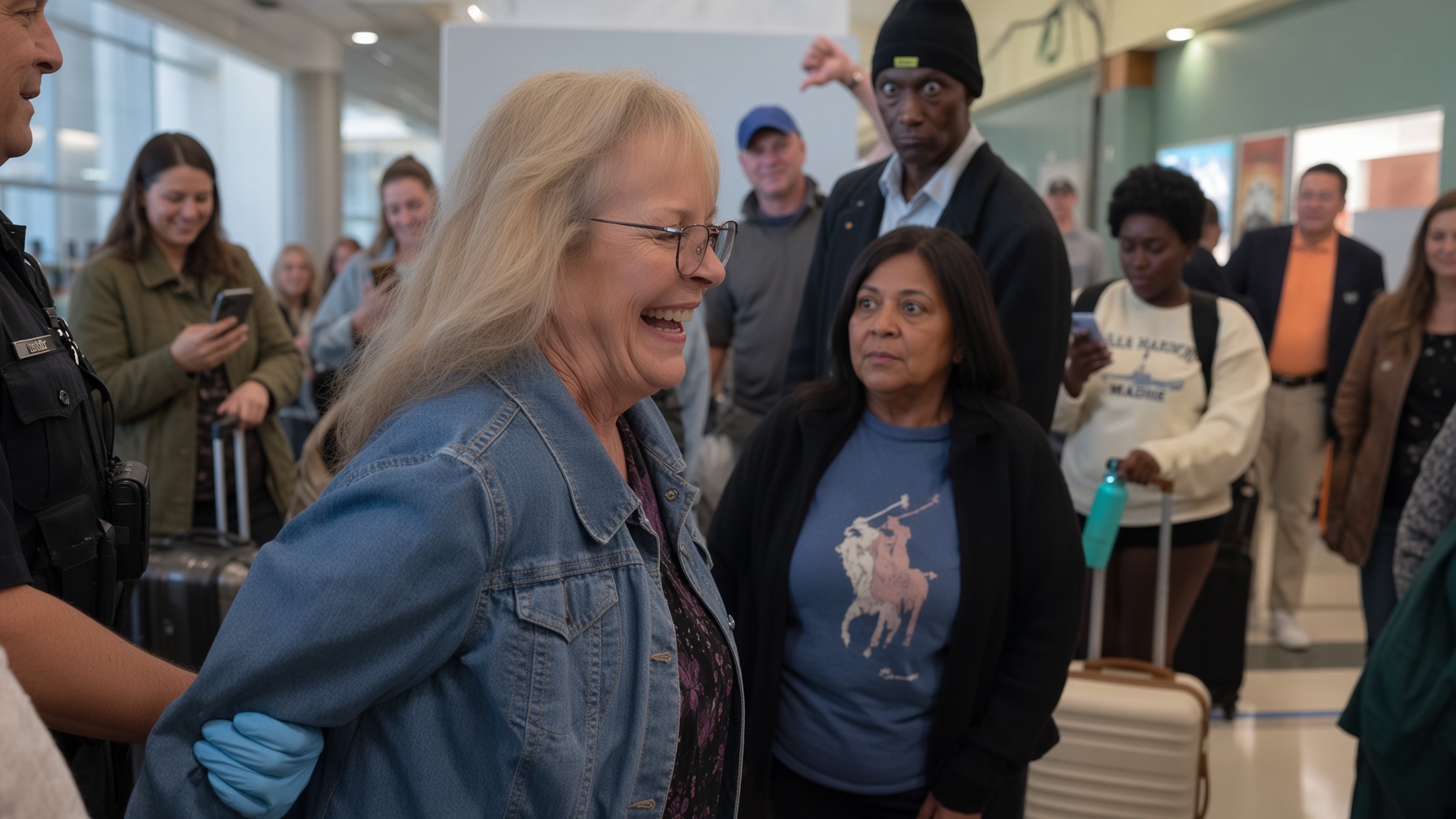
A Breeze Airways flight in Bangor, Maine experienced a disruption when police boarded an Airbus A220 and ordered passengers off the aircraft. Officers gave passengers an ultimatum: depart voluntarily or face arrest and placement on the Transportation Security Administration's no-fly list.
The group included a parent traveling with a toddler. The threat of no-fly list placement became the centerpiece of the enforcement action, though the legal authority behind such a threat remained questionable. Federal law enforcement, not local police, controls the no-fly list through the TSA.
Breeze Airways, the ultra-low-cost carrier founded by JetBlue founder David Neeleman, operates budget flights across the United States. The airline operates an Airbus A220 fleet, modern twin-engine narrow-body jets known for fuel efficiency. Bangor International Airport serves central Maine and handles both commercial and military traffic.
The incident raises questions about police authority on aircraft and passenger rights during ground-based disruptions. Local law enforcement boarding commercial jets to enforce removal orders typically occurs only when serious threats exist or during federal investigations. The no-fly list threat carries weight with air travelers regardless of legal enforceability, as the prospect of future flight restrictions creates immediate compliance pressure.
Breeze Airways has positioned itself as a budget alternative with fares often undercutting legacy carriers like American and Delta. The airline's low-cost model attracts price-conscious travelers willing to accept minimal amenities. Disruptions involving police intervention, however, add unexpected friction to an already bare-bones travel experience.
The situation illuminates tensions between airport and airline security protocols, local law enforcement jurisdiction, and passenger protections. Travelers should understand their rights during aircraft disruptions and verify threats with official TSA channels after incidents. The no-fly list represents a serious travel consequence, but local police lack direct authority to impose