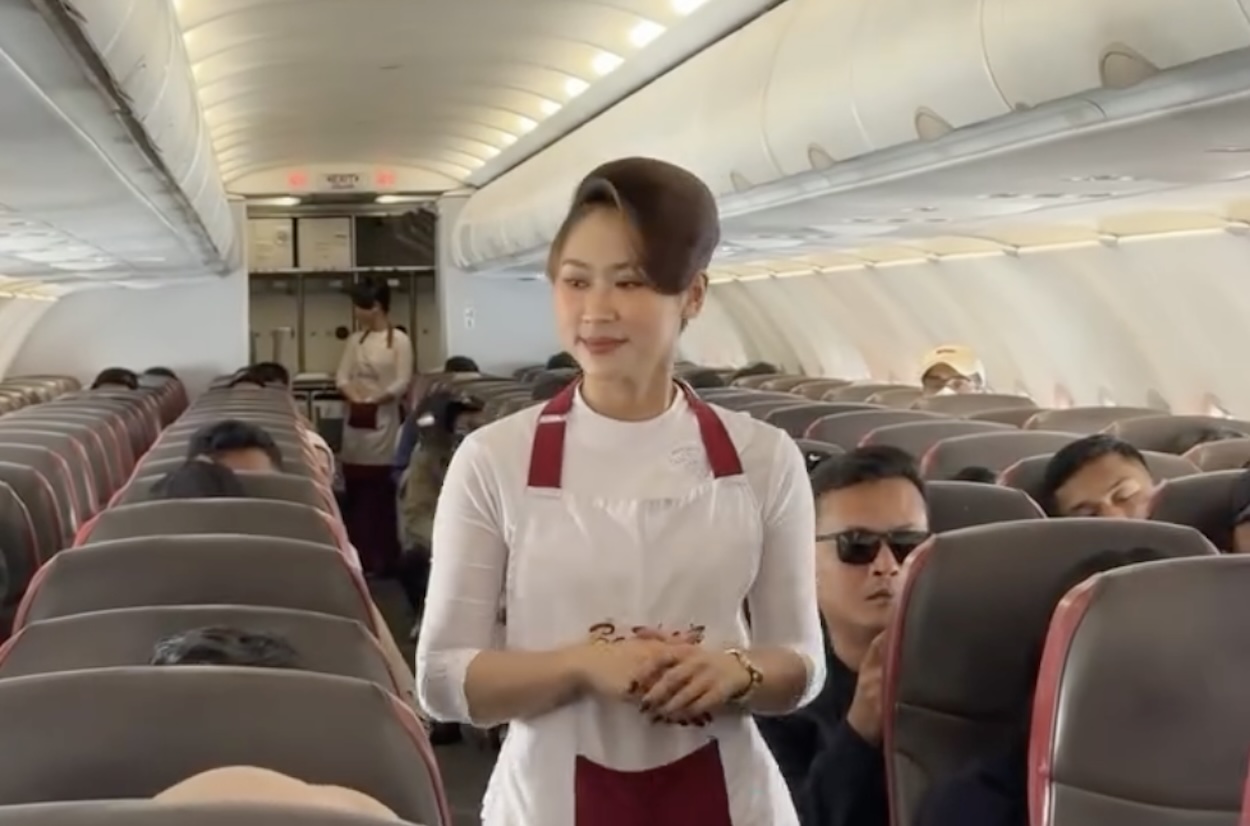
A Batik Air passenger flying from Kuala Lumpur to Kochi became the latest in a troubling series of in-flight security incidents when he damaged and attempted to open an emergency exit mid-flight. The man smashed part of the emergency door assembly and forced it partially open at altitude, then threatened other passengers and crew members who moved to stop him.
When Malaysian police questioned him following the flight's safe landing, his response offered little clarity on motive. He told authorities he simply "felt like doing so," providing no coherent explanation for endangering all 200-plus people aboard the aircraft.
The incident reflects an ongoing pattern of unruly passenger behavior that airlines and aviation regulators now track with increasing concern. Low-cost carriers like Batik Air face particular vulnerability, as their budget-conscious operations sometimes correlate with less stringent security screening and crew training protocols. Emergency exit tampering ranks among the most dangerous infractions possible in aviation, as a breach in-flight creates explosive decompression risks and potential catastrophic loss of cabin pressure.
This occurrence follows similar incidents involving unruly passengers attempting to breach cockpit doors or access emergency equipment across major carriers worldwide. The FAA reported thousands of unruly passenger incidents in recent years, with numbers climbing as post-pandemic travel surged.
Airlines operating Malaysia-India routes, which serve growing business and leisure traffic, face mounting pressure to implement stricter passenger vetting and in-flight monitoring. Batik Air, Malaysia's largest low-cost airline, operates dozens of regional routes where budget-conscious travelers may include higher-risk passengers inadequately screened.
The incident raises uncomfortable questions about passenger psychology and airline accountability. Random, unmotivated dangerous behavior creates particular challenges for flight crews, who cannot predict or prevent threats arising from sudden impulse rather than premeditation. Enhanced training for cabin crew on de-escalation and physical restraint techniques