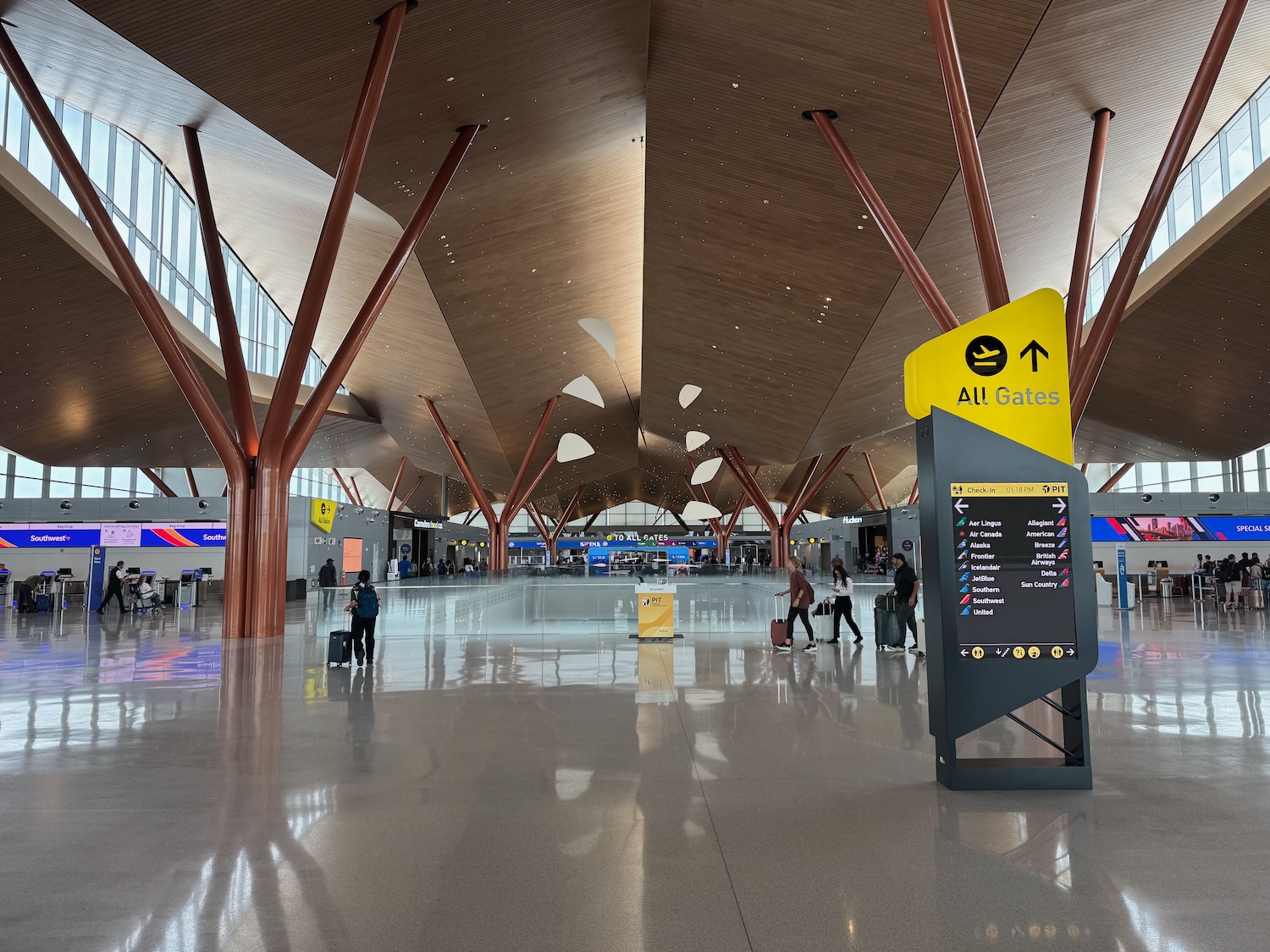
Pittsburgh International Airport has completed a $1.7 billion transformation that positions it as one of America's most visually impressive aviation hubs. The newly redesigned terminal replaces an aging facility with modern architecture that mirrors Pittsburgh's broader cultural and economic revival beyond its steel-industry past.
The overhaul delivers significant improvements for travelers. The new terminal features expanded gate capacity, streamlined passenger flow, and abundant natural light that creates an open, welcoming atmosphere. Walking through the facility reveals thoughtful design choices. Corridors feel less cramped than typical airport environments. Wayfinding is intuitive. Retail and dining options reflect Pittsburgh's local character rather than generic chain dominance.
For business and leisure travelers, the upgrade means faster connections and less congestion during peak hours. Airlines operating from Pittsburgh International, including major carriers like Southwest, United, and American, benefit from improved infrastructure. The terminal expansion supports increased flight frequency and new route development, which could translate to better pricing and more destination options for passengers planning trips from this Mid-Atlantic gateway.
The timing aligns with Pittsburgh's broader transformation. Once defined by its steel mills, the city now attracts tech companies, cultural institutions, and tourism dollars. The airport renovation signals confidence in the region's future and removes a travel friction point that previously gave business travelers pause when considering Pittsburgh as a connection hub or origin city.
For those planning trips through Pittsburgh International, expect a more pleasant experience than what older infrastructure would provide. The airport now competes aesthetically and functionally with major hubs like those in Denver or Charlotte. Passengers connecting through Pittsburgh or using it as a home base will notice shorter walking distances, better climate control, and improved passenger amenities.
The $1.7 billion investment reflects broader U.S. airport modernization trends. Major hubs nationwide are aging and increasingly inadequate for passenger volume and traveler expectations. Pittsburgh's completed project demonstrates what strategic capital investment