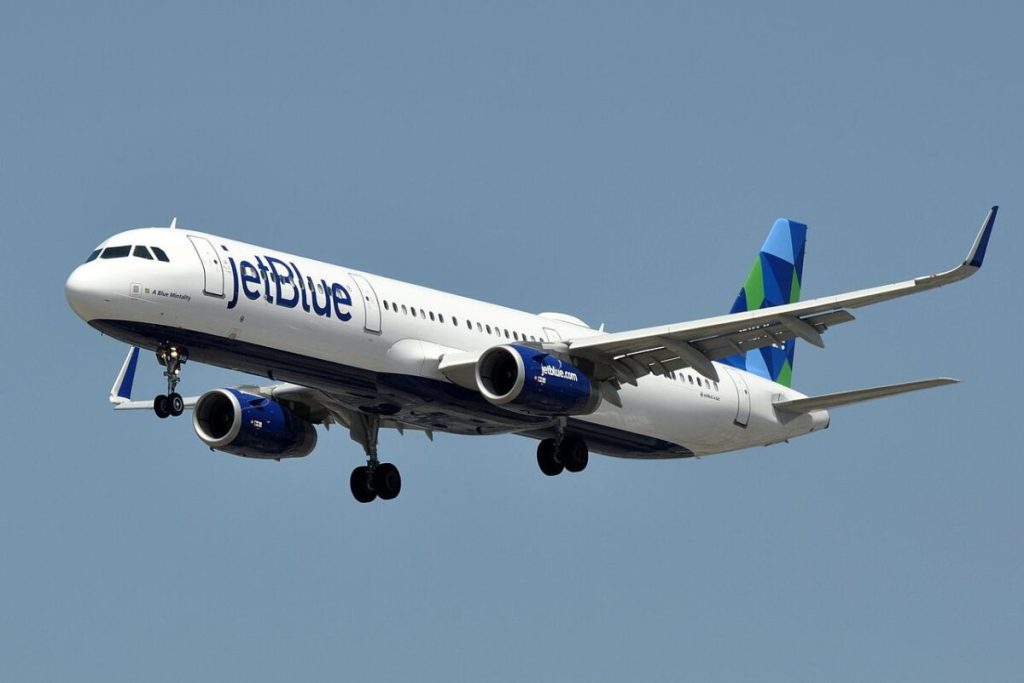
Carl Icahn's high-profile push to shake up JetBlue Airways has unraveled. The billionaire investor's attempt to gain board representation and reshape the airline's strategy ended in defeat as two board members he nominated resigned, and his ownership stake shrank below 5 percent. His gambit to engineer change at the airline, modeled after his more successful activist campaign at Southwest Airlines, failed to move JetBlue's stock price upward.
Icahn initially positioned himself as a reformer willing to challenge JetBlue's management and operational priorities. He pushed for board seats, seeking to influence decisions around route strategy, cost management, and fleet operations. The activist investor believed he could unlock value at the carrier the way his interventions had generated returns elsewhere in the aviation sector. Southwest's experience suggested the playbook could work. There, Icahn's presence and pressure contributed to significant board and management changes.
JetBlue proved different. The airline's stock continued its downward trajectory even after Icahn disclosed his position. Rather than rally behind the activist investor's vision, shareholders showed little enthusiasm for his involvement. The market sent a clear signal about confidence in Icahn's approach at this particular carrier.
The resignations from Icahn's board nominees represent a tactical retreat. His stake dropped below the 5 percent threshold that would require extensive regulatory filings and public disclosure of his holdings. This move allows Icahn to operate with less transparency while reducing his financial exposure to JetBlue's struggles.
For travelers, the internal drama at JetBlue matters because activist campaigns often precede significant operational changes. Board reshuffles typically lead to route consolidations, fleet adjustments, pricing strategies, and service cuts. Icahn's failure to gain sustained influence means JetBlue's current leadership retains control over these decisions for now. The carrier's Northeast focus, its Mint premium cabin offering, and its approach to capacity management remain intact despite pressure to change course.
JetBlue's stock decline reflects broader headwinds facing the airline sector. Fuel costs, labor contracts, and excess capacity across the industry have pressured margins at carriers across the market. For a premium-focused carrier like JetBlue, competition from both legacy carriers and low-cost airlines squeezes revenue potential. The airline's higher cost structure and employee wage commitments limit pricing power.
Icahn's departure from JetBlue's boardroom does not guarantee stability. The airline still faces operational and financial challenges that drove his interest in the first place. Whether current management can reverse the stock price decline without activist pressure remains uncertain. Competitors like Southwest, American Airlines, and Spirit Airlines continue adjusting their strategies to improve returns.
For business travelers and leisure passengers considering JetBlue flights, particularly on high-value routes like New York to Fort Lauderdale or Boston to Los Angeles, the airline's operational direction will remain largely unchanged in the near term. Without Icahn's involvement pushing for strategic overhauls, JetBlue will continue executing its existing strategy under current leadership.