# Ryanair's Winter Pullback Signals Trouble Ahead for Weaker European Carriers
Ryanair is reducing its winter flight capacity despite holding one of the aviation industry's strongest fuel hedges, a move that sends a stark warning to competing airlines operating on tighter margins. Europe's largest low-cost carrier maintains fuel price protections that shield it from volatile oil markets better than most rivals. Yet even with this advantage, the Irish airline determined that maintaining full winter schedules would destroy profitability.
The capacity cuts reveal mounting pressure across European aviation. Winter routes typically generate lower yields than summer services. Ryanair's decision to trim unprofitable flights reflects brutal economics that many full-service carriers and secondary budget airlines cannot absorb. Airlines without equivalent fuel hedges face exponentially higher exposure to energy costs, already volatile after years of geopolitical disruption.
Ryanair's hedging strategy positions the airline as a survivor in downturns. The company locks in fuel prices well ahead of operational needs, reducing exposure to spot market swings that devastate competitors. This financial discipline has allowed Ryanair to weather multiple industry crises. When oil prices spike, Ryanair's pre-purchased fuel inventory provides breathing room. When demand weakens, the airline can cut routes without hemorrhaging cash.
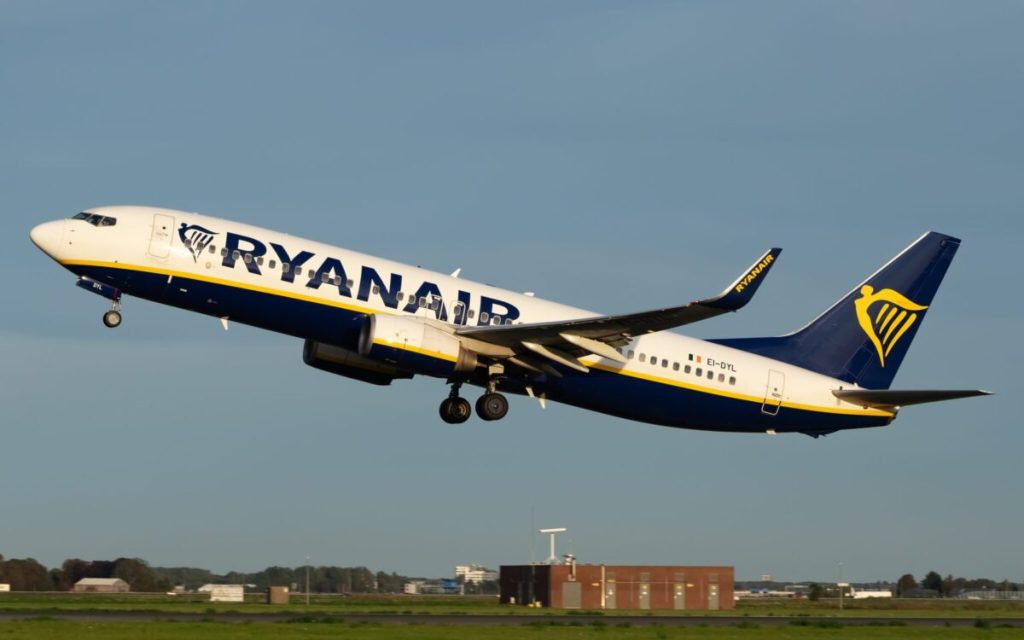
The winter capacity reduction targets specific unprofitable routes rather than wholesale fleet groundings. Ryanair operates Boeing 737-800 and newer 737 Max aircraft across its network. Cutting winter schedules allows the airline to redeploy aircraft to more profitable routes or reduce overall utilization. This surgical approach to capacity management differs sharply from competitors who often maintain full winter schedules hoping demand materializes.
Other European airlines should take notice. Smaller carriers like Wizz Air, easyJet, and various regional operators lack Ryanair's hedging advantages. Full-service airlines like Lufthansa, Air France-KLM, and British Airways operate expensive long-haul networks with high fixed costs. Winter weakness hits these carriers harder. Network airlines cannot simply park aircraft for months without incurring massive overhead expenses.
Budget carriers without robust fuel hedges face the worst scenario. Higher winter fuel costs combine with seasonal demand weakness to create unprofitable operations. Some regional airlines operating from secondary airports in Eastern Europe or Western Europe's peripheral markets may lack sufficient scale to absorb these pressures. Ryanair's competitive positioning improves as rivals struggle, potentially enabling the airline to acquire distressed routes or consolidate market share.
Fuel represents 30 to 40 percent of airline operating costs for low-cost carriers. Every dollar per barrel increase in crude oil prices multiplies across millions of gallons consumed monthly. Airlines hedging only 50 to 60 percent of fuel consumption face direct profit pressure from unhedged exposure. Ryanair's higher hedge ratios provide substantial competitive advantage.
The winter warning extends beyond individual airline survival. Consolidation becomes more likely. Weaker carriers may seek merger partners or face bankruptcy. Route networks could contract sharply if multiple airlines withdraw from loss-making winter services simultaneously. Passengers planning European winter travel should expect fewer flight options and potentially higher fares as supply tightens.
Ryanair's forecast reflects confidence in its cost structure and financial position. The airline continues expanding summer capacity while cutting winter losses, a strategy possible only for carriers with substantial financial reserves and favorable fuel hedges. This creates a two-speed European aviation market where strong survivors prosper and weaker competitors disappear.