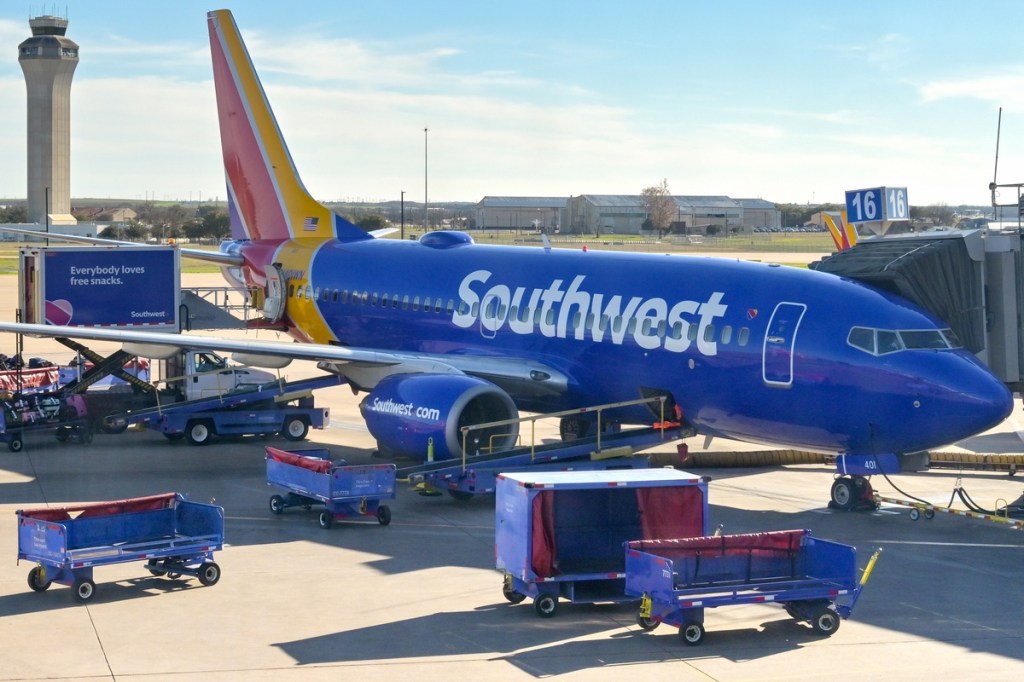
Southwest Airlines commits to opening at least 11 airport lounges through a partnership with Chase bank, marking another decisive shift in the carrier's evolution from budget operator to premium-focused airline. The lounge rollout represents one of the most visible changes in Southwest's strategic repositioning under new leadership.
The lounges will serve as dedicated spaces for elite frequent flyers and premium ticket holders at major hubs. Chase's involvement provides financial backing and co-branding opportunities, aligning with how other carriers monetize their loyalty programs. American Airlines operates Admirals Club lounges with similar partnerships, while United Airlines has invested heavily in its United Club network across domestic and international airports.
Southwest's lounge strategy targets high-value business travelers and loyalty program members who previously had no comparable onground amenities. The carrier historically skipped lounge investments, keeping operational costs lean and fares competitive. That model sustained Southwest's market position for decades but increasingly became a competitive disadvantage against American, United, and Delta, which offer lounge access as a status benefit.
The 11-lounge commitment signals how far Southwest has traveled since Kelly Ortberg took over as CEO. Under Ortberg's tenure, Southwest added assigned seating (ending open boarding), introduced premium cabin classes, raised checked baggage fees, and expanded premium amenities. Each change sparked passenger pushback but reflected Ortberg's determination to capture higher-margin revenue.
Chase partnership details matter for cost-conscious Southwest passengers planning lounge access. Chase cardholders typically receive complimentary lounge visits or discounted passes, while elite frequent flyer status grants unlimited access. Southwest will likely tier benefits by elite level, mirroring practices at rival carriers. The financial terms remain undisclosed, but Chase's investment reduces Southwest's capital outlay for construction and staffing.
Location selection drives adoption rates. Southwest operates major hubs in Denver, Las Vegas, Phoenix, Dallas Love Field, and Baltimore. Lounge placement in these markets ensures high traffic and justifies the amenity infrastructure. Smaller Focus City operations may not warrant lounges initially, though future expansion remains possible.
The timeline for launch dates stays unclear from Southwest's announcement. "At least 11" language suggests a phased rollout rather than simultaneous openings. Competitors typically spend 18-24 months building and staffing new lounges, so expect Southwest's first locations between late 2025 and 2026.
Business travel demand recovery supports lounge investment timing. Corporate travel spending reached pre-pandemic levels in 2023 and continues growing. Airlines capitalize on that demand by bundling lounge access with premium fares and corporate contracts. Southwest's late entry into lounge competition positions it to capture market share from carriers with limited premium offerings.
For frequent flyers, Southwest lounge availability improves trip quality without changing the airline's core value proposition. Passengers who already prefer Southwest's point system, rapid boarding, and free checked baggage gain additional perks. Price-sensitive leisure travelers unaffected by lounge absence continue choosing Southwest for competitive base fares.
The Chase partnership validates Southwest's transformation thesis. Loyalty and credit card revenue now compete with ticket sales for profit contribution. Lounges generate ongoing subscriber value that deepens Chase cardholders' engagement with Southwest's ecosystem.