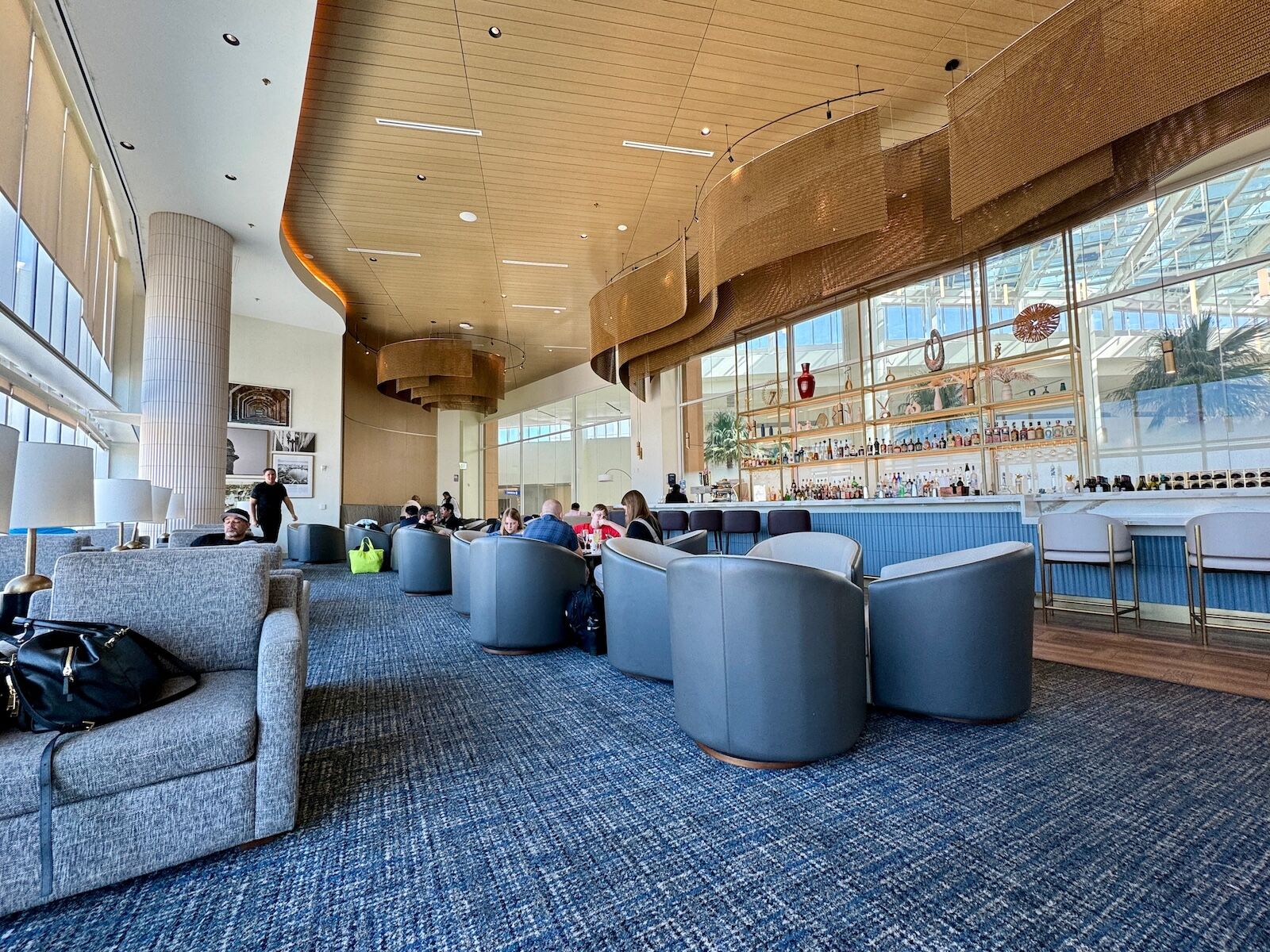
Southwest Airlines breaks with decades of budget-airline tradition by launching its first-ever airport lounges, marking a fundamental shift in the carrier's business strategy. Construction on the inaugural lounges has begun at four major U.S. airports: Austin-Bergstrom International (AUS), Dallas Love Field (DAL), Denver International (DEN), and Houston Hobby (HOU).
This move represents Southwest's pivot toward premium travel experiences. For decades, the Dallas-based carrier built its reputation on no-frills, low-cost air travel without seat assignments, checked baggage fees, or fancy airport amenities. Today, that positioning no longer defines the airline. Southwest now competes directly with United Airlines, American Airlines, and Delta Air Lines for high-yield passengers willing to pay for comfort.
The lounge expansion reflects broader industry trends. Every major U.S. carrier maintains a lounge network. American operates Flagship Lounges. United runs United Club locations. Delta offers Sky Club access. These lounges generate recurring revenue, boost customer loyalty, and provide justification for premium fares and frequent flyer credit cards. Southwest's decision to enter this market acknowledges that offering lounge access drives profitability and enhances brand perception among business travelers and elite frequent flyers.
The four launch cities reveal Southwest's strategic priorities. Austin, Dallas, Denver, and Houston represent major hubs where the airline operates substantial capacity. Austin-Bergstrom and Dallas Love Field serve as critical bases. Denver and Houston receive heavy Southwest traffic. Locating lounges at these airports maximizes immediate usage and revenue potential.
Details on lounge amenities remain limited, but expect offerings comparable to competitors. Standard features typically include complimentary food and beverages, business centers, shower facilities, quiet seating areas, and Wi-Fi. Premium lounges add premium spirits, spa amenities, and conference rooms. Southwest will likely position its lounges as functional and unpretentious, aligned with the carrier's brand identity, rather than ultra-luxury spaces.
Access models matter for potential users. Airlines typically offer lounge entry through premium cabin tickets, elite frequent flyer status, or paid daily passes. Southwest's approach remains unclear, but expect the airline to bundle lounge access with its highest fare classes and top-tier Rapid Rewards elite members. Day passes will likely cost between $35 and $50, matching industry standards.
This expansion signals Southwest's transformation from pure budget carrier to full-service network airline. Premium offerings now coexist with low base fares. The airline has added premium cabin products, expanded dynamic pricing, and invested in passenger amenities. Lounge construction completes this evolution.
For travelers, the lounges create new value for business trips and premium bookings. Frequent Southwest passengers should monitor lounge opening dates and access requirements. Business travelers on expense accounts gain another reason to book Southwest over competitors. Budget-conscious leisure travelers lose nothing, as lounge access remains optional and doesn't affect base fares.
Additional lounge locations will likely follow these initial four. Miami, Los Angeles, and New York airports represent logical next steps given traffic volume and premium traveler density. Southwest's lounge network will eventually match or exceed competitor offerings.