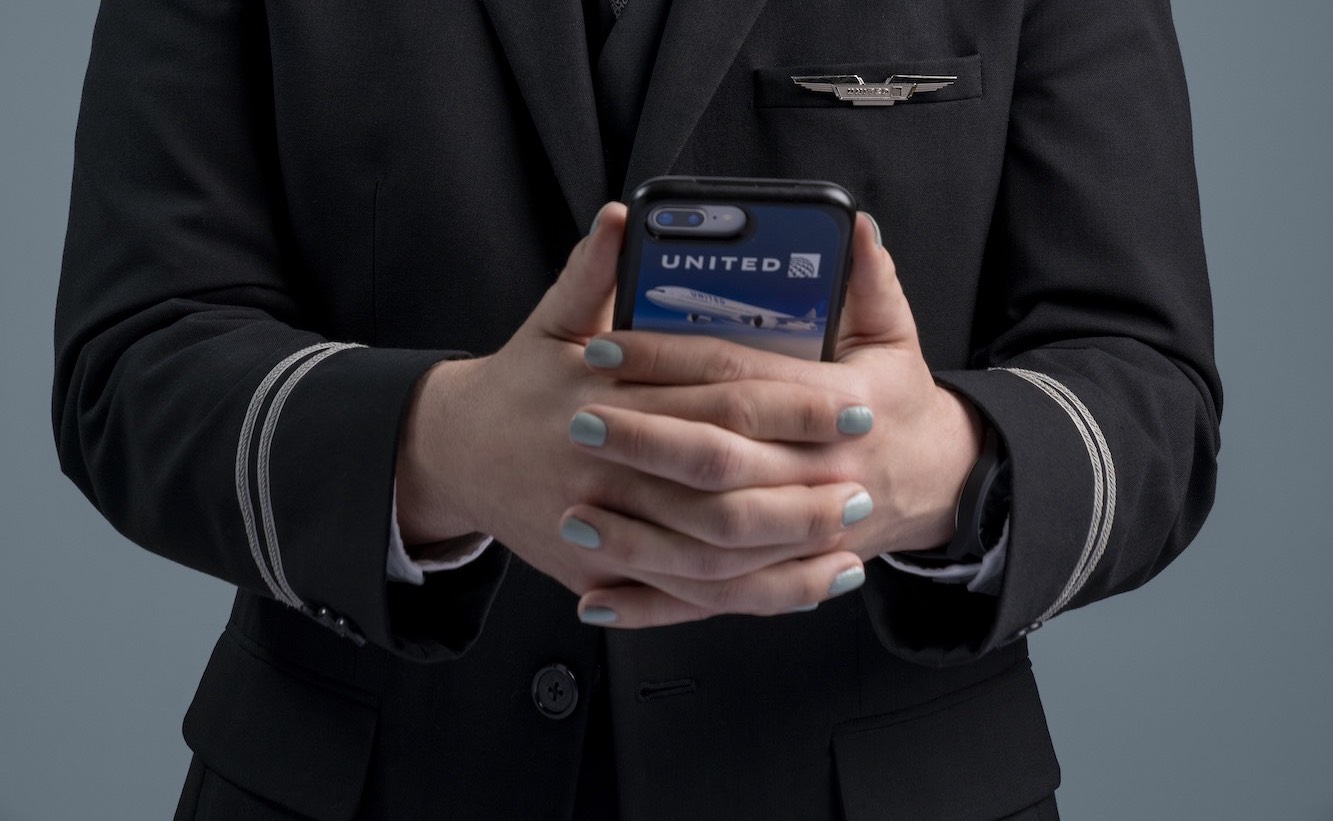
United Airlines has issued an ultimatum to its flight attendants: stop gaming the scheduling system or face termination.
The airline warns that crew members deliberately triggering rolling delays to secure additional trip assignments they know they cannot fulfill constitutes fraud. United management views the practice as a deliberate exploitation of company systems designed to manipulate pay opportunities, not legitimate scheduling maneuvers.
The dispute centers on how United's flight attendant scheduling works. Crew members can bid for trips based on their availability and seniority. Some flight attendants reportedly use rolling delays, which push flight times back incrementally, to gain access to trip assignments they recognize they will ultimately be unable to work. This creates gaps in the schedule while the attendants remain on standby, potentially triggering overtime pay or premium compensation without actually completing the assigned work. United treats this as scheme that violates employment agreements and company policy.
The airline's warning reflects broader tensions between labor and management at United. Flight attendants operate under strict contractual rules regarding compensation, scheduling flexibility, and what constitutes legitimate work assignments. United interprets deliberate delay tactics as workers circumventing the system to increase earnings. The airline argues this wastes resources, creates operational inefficiency, and represents a breach of good faith employment.
Flight attendants might view the situation differently. Working in airline cabin crews involves rigid scheduling, irregular hours, and limited predictability. Premium pay opportunities and the ability to strategically manage work trips represent legitimate compensation mechanisms built into union contracts. What United calls "gaming" could arguably reflect crew members using available contractual tools to optimize their earnings within an industry known for demanding, low-predictability work.
This conflict demonstrates the ongoing labor dynamics affecting major U.S. carriers. United's substantial fleet operates thousands of daily flights, employing thousands of flight attendants nationwide. Scheduling disputes involving hundreds of crew members can create compounding operational challenges and cost implications. The airline's enforcement warning signals heightened scrutiny of scheduling practices.
The threat of termination carries weight. Flight attendants depend on employment stability, seniority accrual, and consistent work opportunities for career progression and income. Firing crew members for scheduling violations would send a clear disciplinary message throughout United's cabin crew workforce.
However, United's position requires careful interpretation of its actual contract language with flight attendants. The airline's assertion that certain scheduling tactics constitute "fraud" depends on whether contract language explicitly prohibits these practices or whether the airline is applying subjective interpretation to practices the contract may actually permit.
This warning arrives as U.S. airlines continue managing post-pandemic staffing challenges and crew scheduling complexities. United, along with American Airlines, Delta Air Lines, and Southwest Airlines, faces persistent crew fatigue, scheduling disputes, and labor relations issues. Clearer contract language or negotiated agreements between United and its flight attendant union could prevent future conflicts by defining acceptable versus prohibited scheduling practices.
For travelers, these internal labor disputes rarely create visible impacts on daily flight operations, though sustained crew tensions sometimes correlate with service quality variations or operational irregularities. For flight attendants at United, the warning signals management will actively monitor and potentially penalize workers it believes are exploiting scheduling loopholes.