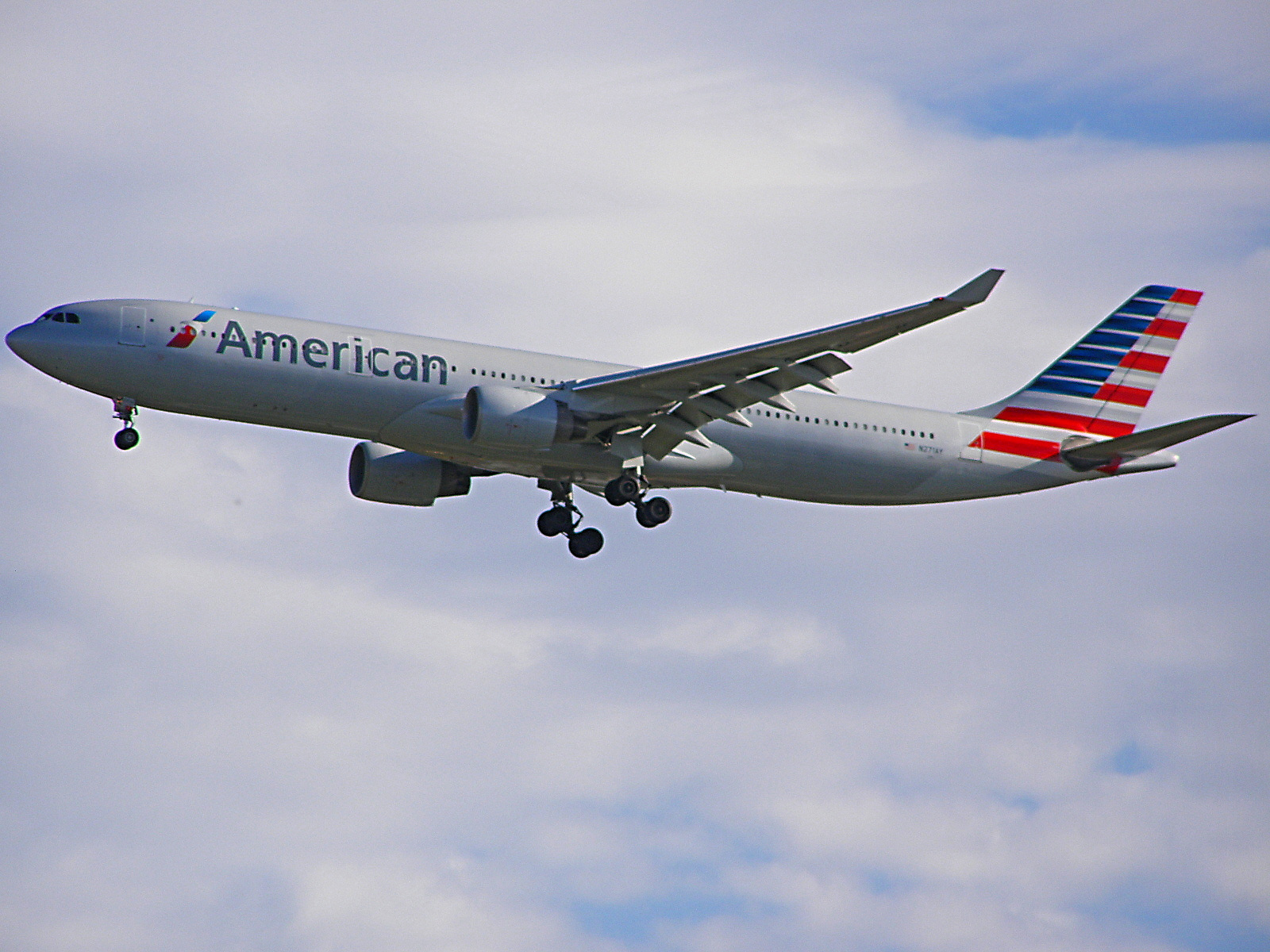
American Airlines faces an ironic turn in its widebody fleet strategy. After hastily retiring its entire Airbus A330 fleet during the pandemic downturn, the carrier now plans to order the next-generation A330-900neo to replace its aging Boeing 777-200ER aircraft.
The move signals a dramatic reversal. When COVID-19 struck in 2020, American accelerated retirements of its A330 twins to cut costs and reduce debt. The carrier saw the aircraft as expendable amid collapsing demand. Now, with travel demand rebounding and fuel prices pressuring older jets, American recognizes the value of modern, efficient widebodies.
The A330-900neo offers tangible advantages over the 777-200ERs currently operating on American's long-haul network. Airbus claims the aircraft burns 23 percent less fuel than its predecessor, the original A330-300. It carries up to 287 passengers in a typical three-class configuration, compared to the 777-200ER's 317 seats, but uses substantially less fuel per available seat mile. For routes across the Atlantic and to Latin America, where American operates most of its 777-200ERs, the fuel savings translate directly to lower operating costs.
The A330-900neo also offers cabin flexibility. American could configure the aircraft with premium Airbus Airspace cabins, featuring larger windows, improved lighting, and higher humidity levels. These amenities matter on long-haul flights where passenger comfort drives brand loyalty and revenue per seat.
American's consideration of the A330-900neo reflects broader trends in widebody fleet planning. Airlines increasingly favor twin-engine aircraft over four-engine models for efficiency. The A330-900neo competes directly with the Boeing 787 Dreamliner and newer variants of the 777X, though delivery delays for the 777X have extended those aircraft's availability window.
Airbus has already secured significant A330-900neo orders from carriers including Air France-KLM, China Eastern Airlines, and Hawaiian Airlines. The aircraft suits airlines operating from mid-size hubs with moderate passenger volumes on long-haul routes. American's potential order would represent a vote of confidence in the type after the carrier's previous divestment.
The timeline for any order remains unclear. American currently operates approximately 65 Boeing 777-200ERs and 777-300ERs. The 777-200ERs, which entered service in the late 1990s and early 2000s, face increasing maintenance costs. Replacing them with modern A330-900neos would reduce crew training complexity since American already operates Airbus aircraft, though the airline would need to establish A330-900neo maintenance protocols and spare parts inventory.
Pricing pressures complicate the decision. Boeing's recent manufacturing struggles have given Airbus negotiating leverage. Airlines demanding better pricing have successfully pressured Airbus for A330-900neo discounts. American likely expects aggressive terms given its fleet size and long-term partnership potential.
The decision also carries geopolitical undertones. American's consideration of expanded Airbus orders contrasts with domestic pressure to support Boeing. Yet fleet economics typically override nationalist concerns. If the A330-900neo offers lower lifetime costs than available Boeing alternatives, American will likely choose it.
American has not confirmed an order yet, but the discussions represent a recognition that widebody efficiency matters more than pandemic-era cost-cutting decisions. The airline's return to Airbus widebodies after retirement demonstrates how quickly travel recovery reshapes equipment strategies.