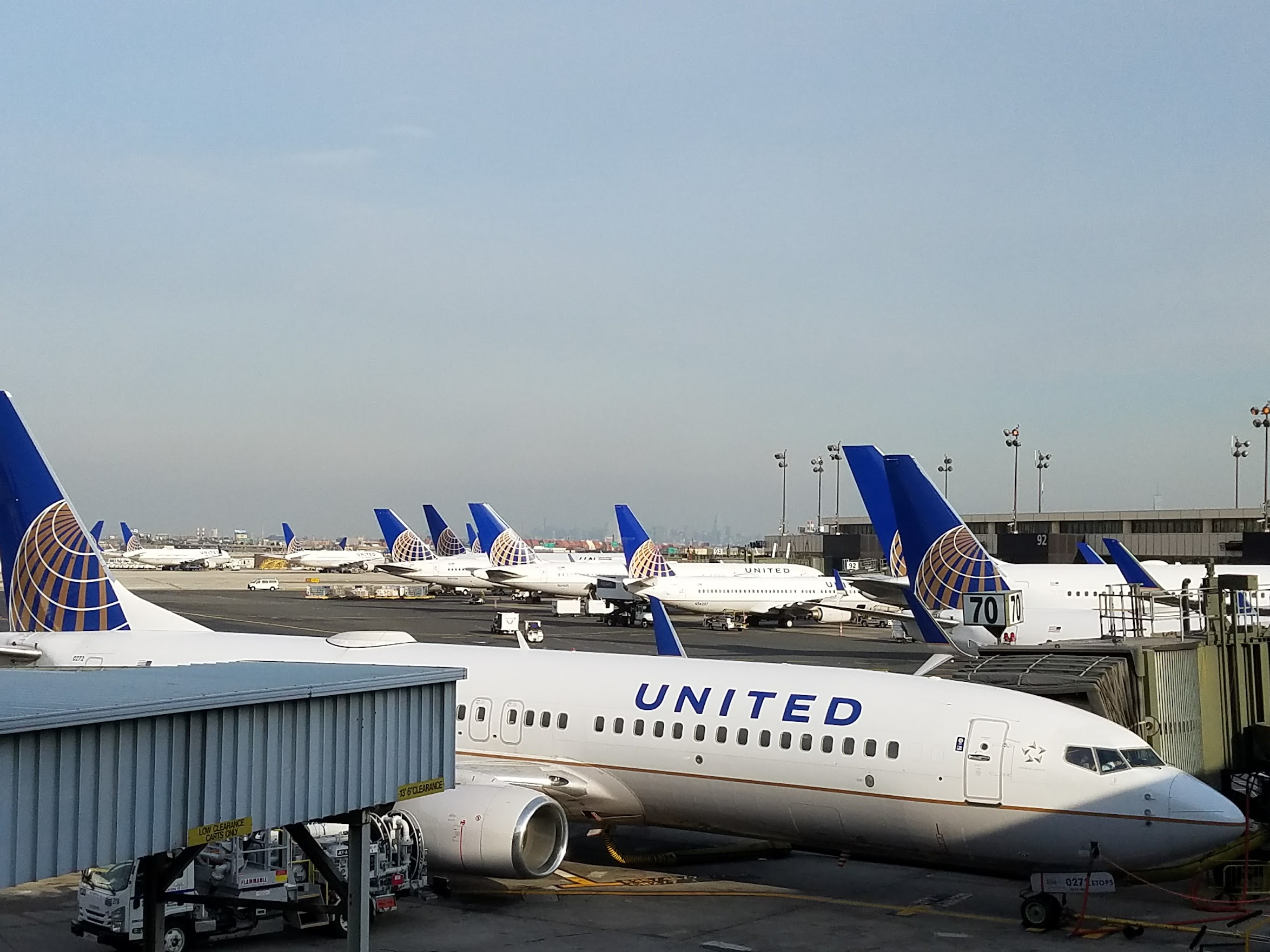
United Airlines extracted $11.5 billion in ancillary revenue during the most recent reporting period, claiming the title of world leader in fees charged beyond base fares. The Chicago-based carrier generates this revenue through seat selection charges, baggage fees, checked-bag premiums, upgrade pricing, and other add-ons that passengers encounter throughout the booking and travel experience.
The IdeaWorks report underlying this announcement frames United's performance as a revenue triumph. Yet the numbers reveal less about exceptional customer service and more about the airline's systematic approach to unbundling what competitors once included in standard fares. United charges passengers for seat selection starting at $15 for standard seats and climbing to $50 or more for premium cabin positions. Baggage fees remain standard at $35 for first checked bags and $45 for second bags on most domestic routes.
This revenue strategy reflects a broader industry shift. Legacy carriers including American Airlines, Delta Air Lines, and Southwest Airlines have all adopted similar ancillary monetization playbooks. However, United's scale as the world's third-largest airline by capacity positions it to generate the largest absolute dollar totals from these add-ons. The $11.5 billion figure represents approximately 20 percent of United's total annual revenue, underscoring how ancillary fees now function as a core business line rather than supplementary income.
Travelers planning trips on United should expect these costs to accumulate beyond the advertised base fare. A domestic economy ticket advertised at $200 can easily reach $280 or higher once seat selection, checked baggage, and other fees apply. Business travelers and frequent flyers mitigate these costs through premium cabin bookings, elite frequent flyer status, or corporate negotiated rates, but leisure travelers absorb the full impact.
The report offers context on competitive positioning. United's ancillary revenue machine operates at peak efficiency, but this does not translate to service improvements passengers would notice. Seat pitch on mainline United flights remains tight at 31 inches for economy cabins. Boarding process changes, gate-holding practices, and customer service protocols have not expanded materially relative to ancillary revenue growth. Instead, revenue expansion reflects pricing power applied to existing infrastructure and services.
For travelers, this development carries practical implications. Comparison shopping between United and competitors requires careful attention to the true all-in fare rather than base prices. Southwest Airlines, by contrast, includes two checked bags and seat selection in standard fares, which may offer better value for families traveling with luggage. Premium carriers like JetBlue or full-service international operators may offer superior amenity bundling at comparable all-in costs.
United's ancillary revenue dominance reflects market demand and airline financial strategy rather than passenger preference. The carrier maintains this position through consistent implementation of aggressive fee structures across its fleet and route network. Business travelers and status holders benefit through lounge access, priority boarding, and complimentary upgrades, but standard passengers bear the cost burden most heavily. Loyalty to United must now account for these layered expenses alongside traditional factors like flight frequency and schedule convenience.