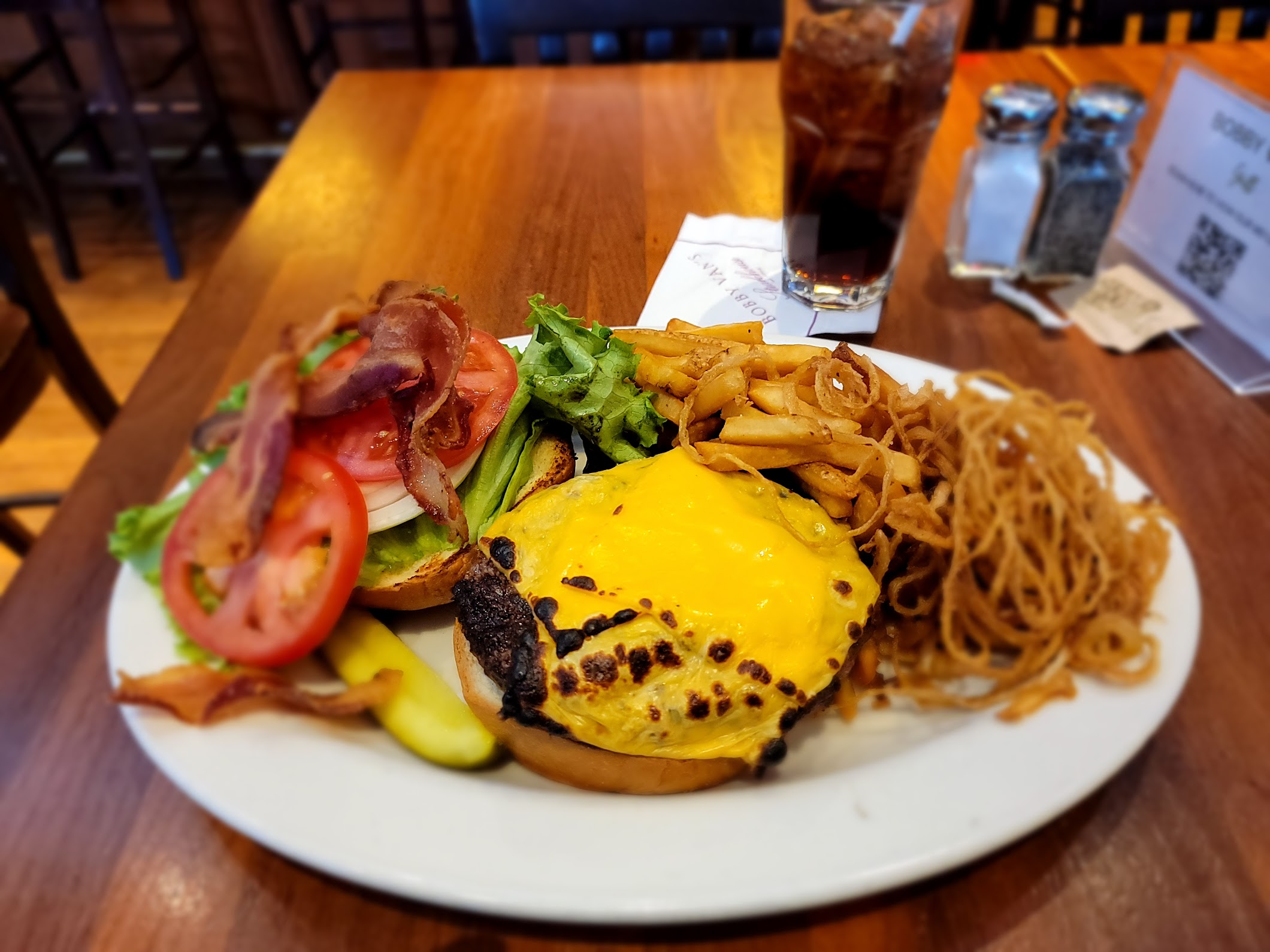
American Airlines has rebranded its $12 meal vouchers as "food/beverage credits" in an attempt to reset passenger expectations about what the vouchers actually purchase. The airline made the change after recognizing that travelers assumed a $12 voucher would cover an entire meal, when in reality the amount barely scratches the cost of airport dining.
This move reflects a disconnect between what passengers expect and what airlines deliver during travel disruptions. At most airport restaurants and chains operating in terminals across the United States, $12 covers a snack, a beverage, or a partial meal at best. A sandwich at Hudson Group news stands costs $14 to $18. A burger at a typical airport restaurant runs $16 to $20. A simple salad exceeds $12. The math has never worked in the passenger's favor.
American Airlines issued internal guidance to staff explaining the terminology shift. The airline instructed employees that these credits do not represent a meal promise. Rather, they function as partial compensation for food and drink purchases. By calling them "credits" instead of "meal vouchers," American effectively lowered the conversational bar about what passengers should anticipate receiving.
The timing of this rebranding matters. The Department of Transportation has cited airlines' voluntary meal commitments and guarantees as evidence that formal passenger protections remain unnecessary. When the DOT abandoned proposed regulations that would have mandated specific compensation levels for delays and disruptions, officials pointed to the airline industry's self-regulation as sufficient consumer safeguard. American Airlines maintains that it does provide meals during significant delays, even while its $12 credit system demonstrates the limitations of voluntary compliance.
For travelers planning trips, this change signals that self-help is necessary. Passengers experiencing long delays should not expect a $12 voucher to serve as meal reimbursement. Instead, they should bring snacks, identify which airport restaurants accept airline vouchers, and understand that they may need to pay out-of-pocket for adequate meals. Some passengers have found success requesting meal reimbursement through customer service channels rather than accepting the standard voucher amount.
The broader travel industry trend shows airlines consistently reducing tangible passenger protections. While American, United Airlines, and Delta Air Lines maintain policies for meal provision during extended delays, the voucher amounts have remained static for years despite airport dining inflation. A $12 credit worth something in 2015 carries far less purchasing power today.
This development matters for budget travelers especially. Those flying American Airlines should budget additional funds for meals during layovers and potential delays. Elite frequent flyer members receive access to airline lounges with complimentary food, creating a two-tier system where premium customers eat free while economy passengers stretch inadequate vouchers.
Looking ahead, watch whether other carriers follow American's terminology shift. If the industry collectively rebrands meal vouchers as credits, it signals coordinated effort to reset passenger expectations downward. The DOT's continued reliance on voluntary airline standards rather than regulatory minimums leaves budget travelers vulnerable to this shrinking commitment.