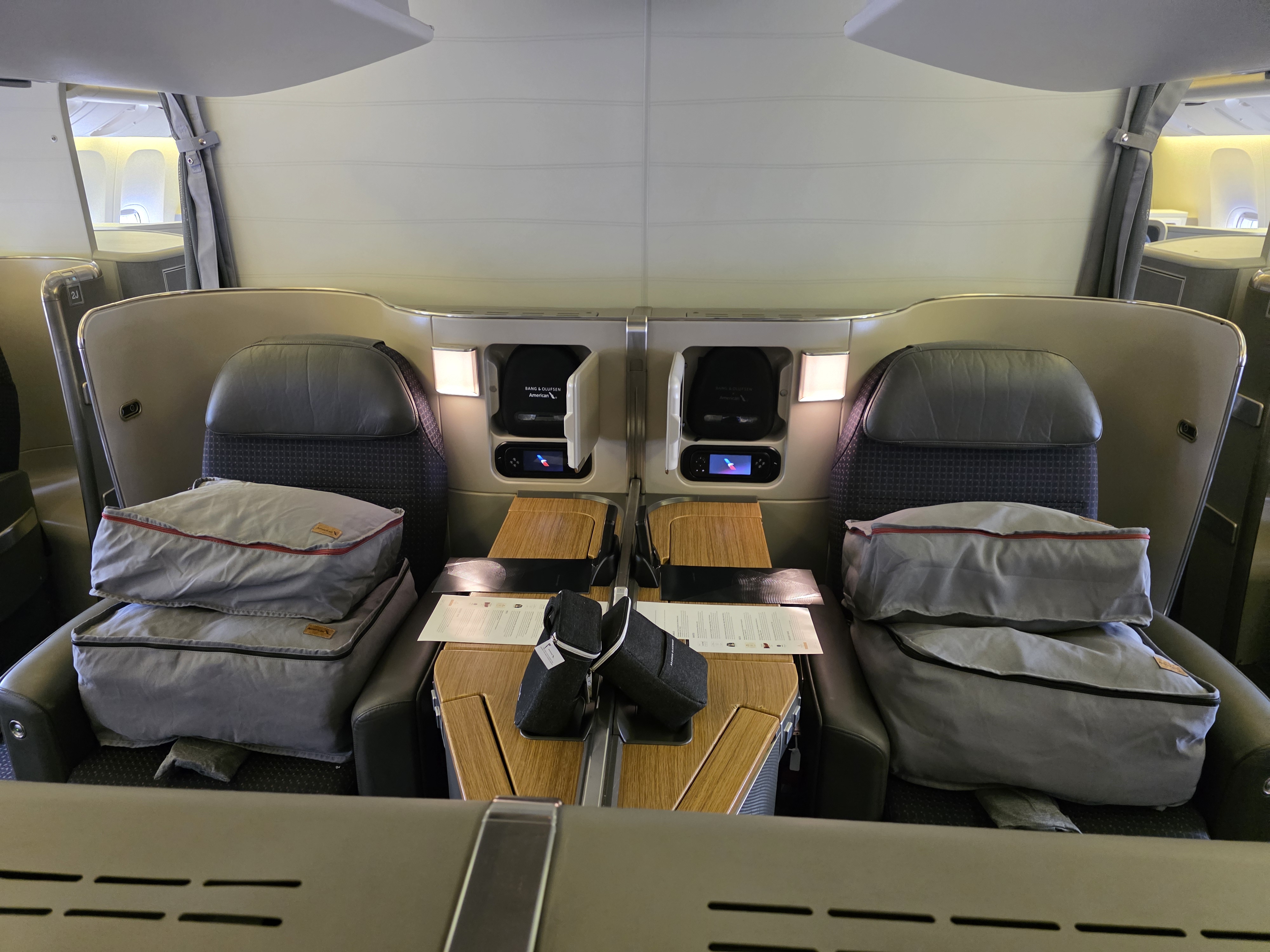
# The Hidden Economics of Elite Airline Miles: How Savvy Travelers Turn Subscriptions and Promotions Into Premium Cabin Access
American Airlines miles have become the currency of choice for travelers willing to game the loyalty system, and according to one frequent flyer's analysis, even 7 million accumulated miles rank second on the all-time deals ladder. The aviation rewards landscape has shifted dramatically over the past decade, creating windows of opportunity that savvy travelers exploited to unlock premium cabin access and elite status at fractions of traditional costs.
Magazine subscriptions delivered some of history's most absurd mile values. Consumers purchased bulk subscriptions to publications like Esquire and Sports Illustrated, receiving roughly one American Airlines mile per dollar spent. In the early 2000s, these promotions handed out Concorde miles before the aircraft retired in 2003. A traveler buying 50,000 dollars in magazine subscriptions could accumulate enough miles for multiple business class transatlantic flights, making the actual per-mile cost negligible when accounting for the reading material received as a bonus. Airlines later tightened these partnerships after recognizing the arbitrage opportunity.
Unexpected pathways to status emerged through non-airline categories. One promoter noted that pudding purchases generated over one million American Airlines miles through a particularly generous partner promotion. SimplyMiles, a rewards aggregator platform, delivered ConciergeKey status, American Airlines' most exclusive tier, to savvy members who understood how to layer bonus promotions strategically. These deals rarely advertised themselves prominently. Frequent flyers shared tips through blogs and forums, creating underground networks of people maximizing miles before airline program managers closed loopholes.
The economics shifted when miles became more valuable. In 2015, American Airlines recalibrated its award chart, increasing mile requirements for premium cabin redemptions. A business class ticket to Europe that once cost 60,000 miles jumped to 85,000 or higher depending on season. This devaluation meant previously extraordinary deals became simply good deals. The 7 million American Airlines miles ranking at number two reflects this inflation. Someone with that balance could book 80 to 100 domestic business class tickets or roughly 10 to 15 business class transatlantic redemptions, depending on routing and season.
Today's loyalty landscape operates differently. Airlines partnered with credit card companies, reducing reliance on magazine subscriptions and pudding purchases. Chase Sapphire Reserve and American Express Platinum cardholders earned miles through annual fees and category bonuses. These legitimate programs replaced the gray-market opportunities that created legendary mile hauls. American Airlines even introduced dynamic pricing for award tickets, allowing members to pay more miles for peak dates, further eroding the advantage of massive point balances.
Current travelers considering whether to pursue extraordinary mile deals face a calculation: time invested versus miles earned versus actual redemption value. A mortgage refinance bonus might deliver 100,000 Amex Membership Rewards points convertible to American Airlines miles. That translates to one or two business class tickets depending on routing. The real question centers on whether the effort to accumulate millions of miles justifies redemptions that devalue faster than the miles accumulate.
The countdown revealing deals ranked above 7 million American Airlines miles suggests untapped opportunities still exist for readers willing to research partnerships, monitor promotions, and time purchases strategically. The days of pudding-based status may have passed, but airline loyalty remains beatable for travelers who understand the system.