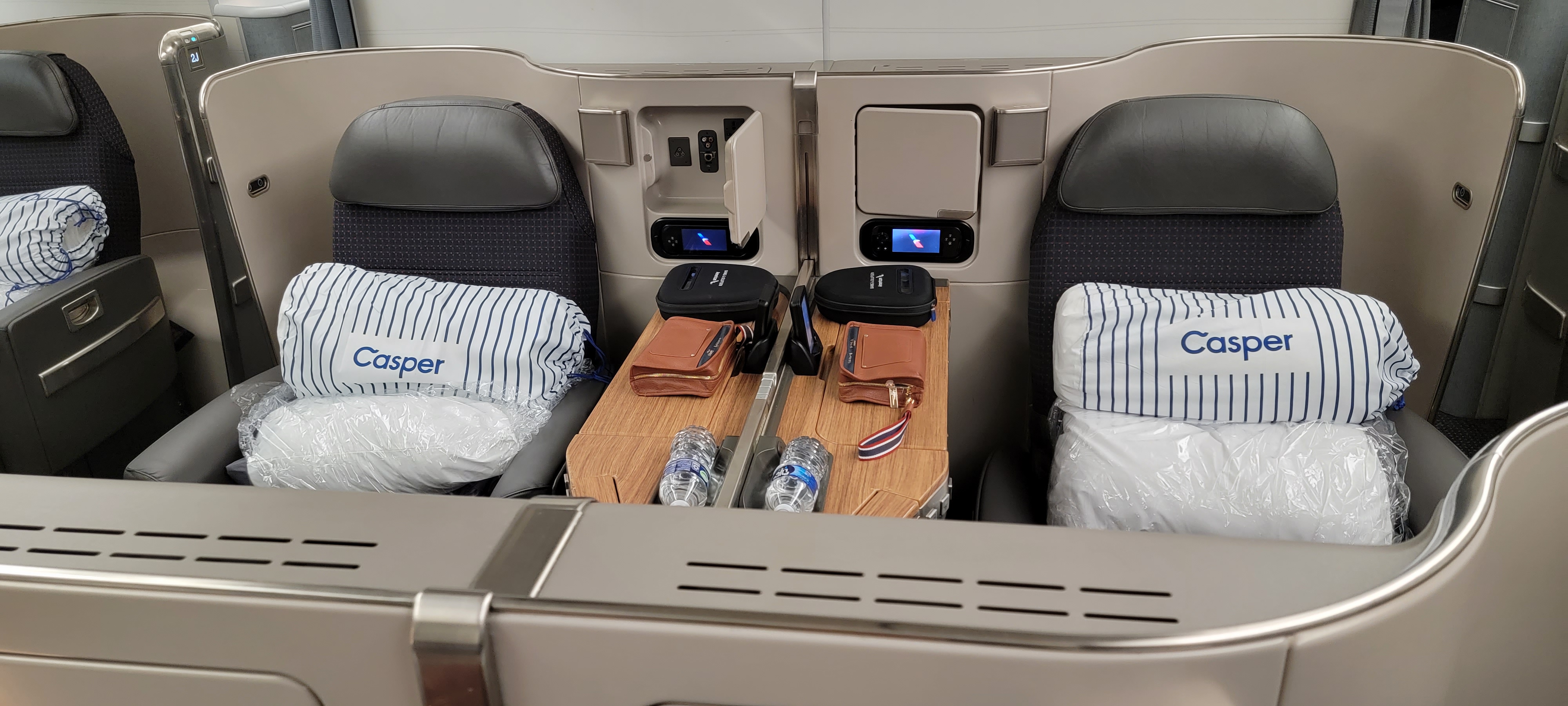
American Airlines' decision to eliminate its premium Flagship First cabin marks a stunning reversal for the carrier, which once sold lifetime first class passes for $250,000 each. The airline now honors those passes with access to business class on international routes and domestic first class on shorter flights, but the separate ultra-premium Flagship First product vanishes entirely.
The move reflects broader industry consolidation around cabin products. Airlines have spent years simplifying their offerings as fuel costs spike and demand patterns shift. American's Flagship First cabin, which featured lie-flat seats, premium dining, and dedicated cabin crew, represented a niche product that commanded premium fares but required significant operational overhead. By folding this service into business class on long-haul routes and first class domestically, American reduces crew training requirements, catering complexity, and aircraft reconfiguration costs.
Passengers who invested $250,000 in lifetime passes face an uncomfortable reality. Those passes still hold value, but not the value they purchased. A lifetime pass that once guaranteed Flagship First access on any American flight now delivers business class on transatlantic and transpacific routes, with domestic first class on shorter hops. The distinction matters. Flagship First offered superior amenities, larger seats, and exclusive access to premium lounges. Business class provides comparable long-haul comfort but less domestic prestige.
American's promise to "honor the lifetime deals" protects pass holders from complete devaluation, but honors a narrower interpretation than the original purchase implied. The carrier legally delivered on its commitment by maintaining some first class access, though not the specific product customers originally paid for. This distinction will fuel debate among loyalty program enthusiasts and high-net-worth travelers who treat premium cabin passes as investments rather than disposable purchases.
The elimination signals American's shift toward standardized cabin products across its fleet. Airlines increasingly design single premium cabin configurations that work globally, rather than maintaining separate domestic and international first class products. This approach streamlines training, reduces spare parts inventory, and simplifies revenue management. American, United, and Delta all operate this way now, contrasting sharply with legacy carriers like British Airways and Lufthansa, which maintain distinct cabin hierarchies.
For travelers planning premium bookings, American's move underscores the volatility of lifetime products and proprietary cabin access. Airlines reserve the right to modify benefits when business models shift. Frequent flyers chasing premium cabin passes should expect that today's flagship cabin becomes tomorrow's business class equivalent.
American's customer base will adjust. Business travelers on domestic routes gain access to first class with their lifetime passes. International business travelers receive business class access, a reasonable substitute for most transatlantic and transpacific journeys. Leisure travelers who purchased these passes decades ago likely already redeemed significant value, offsetting the current downgrade.
This decision highlights how airline products evolve with industry economics. What seemed like a permanent luxury amenity ten years ago now feels expendable. Passengers should view lifetime benefits as valuable but ultimately subject to change, even when those changes disappoint the original purchasers.