Airline alliances once promised seamless global connectivity and reward redemptions across carrier networks. Today, that promise fractures under the weight of airline self-interest. Major carriers including Lufthansa, Swiss International Air Lines, Air France, Singapore Airlines, and United Airlines increasingly hoard their premium award inventory for elite frequent flyer members of their own programs, leaving alliance partners and casual redemption seekers with fewer options.
The shift reflects a fundamental tension within airline alliances. These partnerships, including Star Alliance, SkyTeam, and Oneworld, still deliver operational benefits. They coordinate schedules, share airport facilities, and provide lounge access across member airlines. Yet when it comes to the most coveted awards—premium cabin seats on popular routes—individual carriers prioritize extracting maximum value from their own loyalty programs rather than opening those seats to alliance partners.
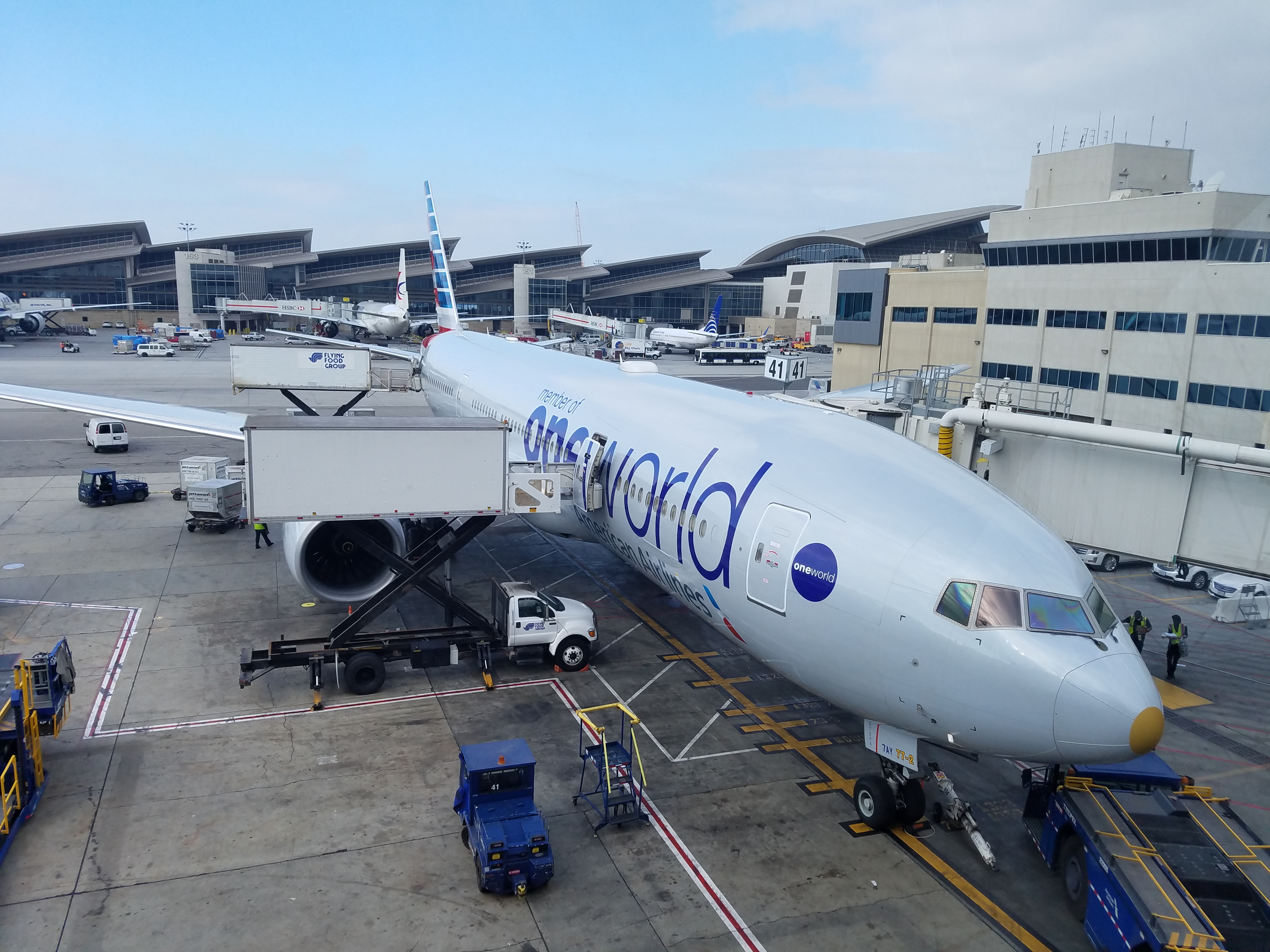
Lufthansa Group carriers exemplify this strategy. Passengers holding elite status with Lufthansa or Swiss gain preferred access to premium redemptions on partner airlines within Star Alliance. Standard members of those programs face significantly reduced availability. Air France operates similarly within SkyTeam, protecting the best award inventory for its own Flying Blue elite members before opening seats to partners like Delta and China Southern. Singapore Airlines does the same across Oneworld alongside American and Cathay Pacific.
The mechanics work against redemption seekers in practical ways. A United Airlines frequent flyer trying to book a premium cabin seat on a Lufthansa flight to Frankfurt often discovers limited availability compared to what Lufthansa's own elite status holders see. The same dynamic plays out when trying to redeem across Air France, KLM, Delta, or any major alliance partner. Alliances still function, but access tilts decidedly toward airline loyalty to the individual carrier.
This trend reflects the maturation of airline revenue management. Carriers now treat frequent flyer miles as a premium revenue stream, not simply a way to fill empty seats. Airlines generate substantial income by selling miles to credit card partners and corporate programs, making the redemption value of those miles increasingly precious. Surrendering premium award access to alliance partners cuts directly into that revenue opportunity.
For travelers, the practical impact depends on status level and booking flexibility. Elite frequent flyers benefit most from current alliance structures because they access broader award availability across partners. Casual redemption seekers and standard-tier members face constrained options, often relegated to economy or basic business class seats. Booking with cash prices frequently yields better value and availability than attempting alliance redemptions for premium cabins.
The alliance system remains valuable for specific use cases. Earning miles on one carrier while redeeming on a partner still works, particularly for economy redemptions. Lounge access and baggage handling coordination continue to add practical value. But travelers banking on accessing the most desirable awards through alliance partnerships should temper expectations.
The calculus has shifted. Airlines built alliances to compete with rivals while expanding networks. Today, alliances serve that competitive function while individual carriers maximize profit from their own loyalty programs. Navigating this reality requires targeting redemptions on the airline where you hold elite status or accepting that premium seat access through partners remains elusive.