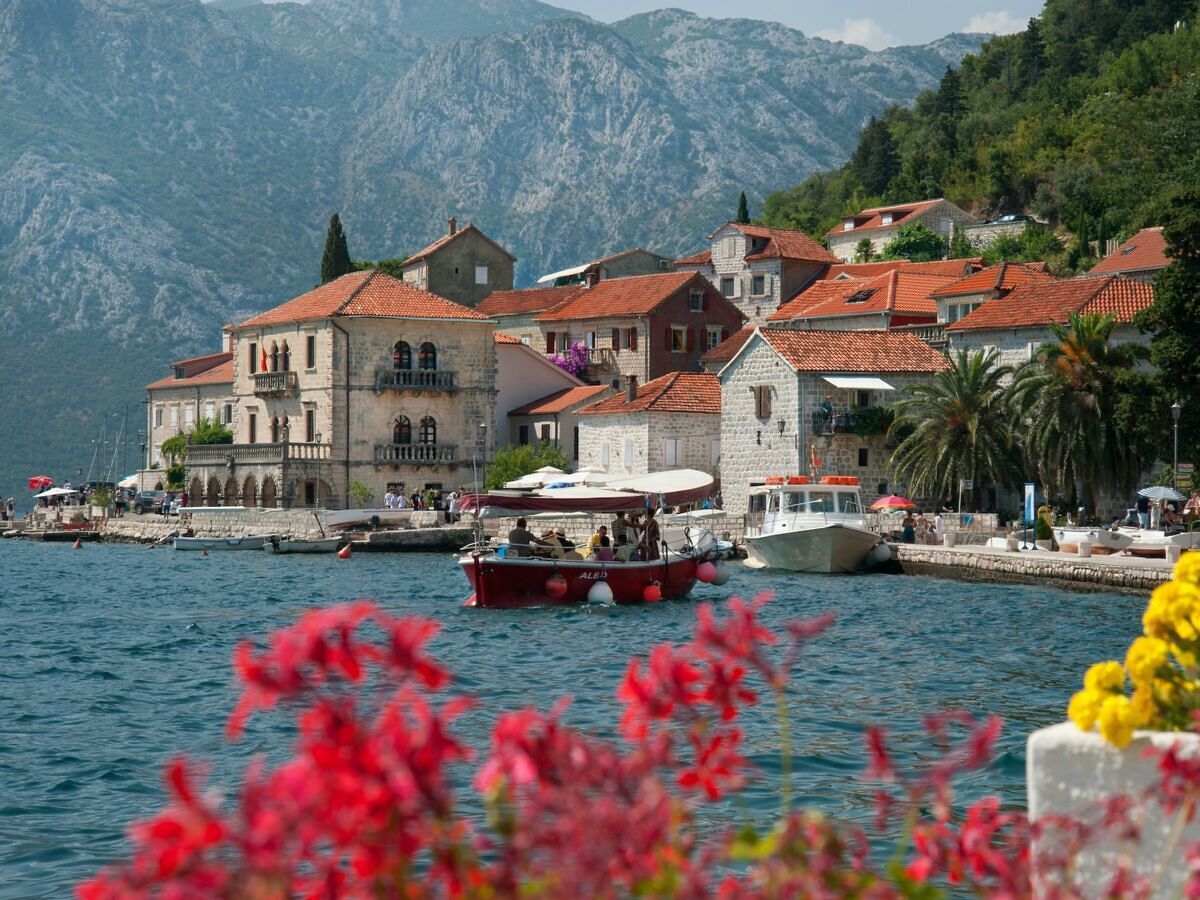
The European Travel Commission's data for the first part of 2026 reveals a seismic shift in where travelers are spending their money on the continent. International arrivals rose 2.9 percent with overnight stays up 2.7 percent, but the growth isn't concentrated in Paris and Rome—it's happening in Malta, Ireland, Montenegro, and Central Europe. This isn't a random pattern. With airfare to Europe running 33 percent higher in fall 2026 compared to fall 2025, budget-conscious travelers are voting with their wallets, and they're choosing the continent's cheaper corners.
The numbers tell a compelling story. Malta saw arrivals jump 18.1 percent, driven by cheap short-haul flights and regional European travelers taking long weekends rather than extended vacations. Ireland's overnight stays climbed 17.6 percent—faster than its 12.7 percent arrivals growth—suggesting visitors are finally exploring beyond Dublin to places like the Wild Atlantic Way. Montenegro posted a 9.6 percent arrivals increase fueled by Wizz Air opening a base at Podgorica airport in spring 2026, boosting flight volumes 30 percent. Slovakia's arrivals rose 14.8 percent as visitors discovered it offers alpine experiences at a fraction of the cost. Meanwhile, US visitors are following the same economic calculus: visits to Montenegro were up 29 percent, Romania 24.7 percent, Slovenia 24.1 percent, and Poland 20.5 percent.
What's most striking is the European Travel Commission's projection that Central and Eastern Europe arrivals will rise by about another 10 percent in 2027. That's not a minor uptick—it's a harbinger of what comes next. We've seen this movie before with Croatia and Portugal. Once a destination gains traction, prices follow inevitably upward.
For travelers, the message is clear: if Montenegro's turquoise Adriatic coast, Slovakia's High Tatras, or Ireland's rural countryside has been on your list, 2027 is the year to commit. The Window of affordable access to these destinations is open now. The European Travel Commission's own data suggests it won't stay open much longer. Destinations that are still cheap and uncrowded today won't remain that way after another 10 percent surge in arrivals drives up hotel rates and restaurant prices.
This isn't pessimism—it's realism based on travel market dynamics we've observed repeatedly. The smart move for travelers is to book now while these destinations remain both affordable and genuinely uncrowded, before the combination of growing popularity and inevitable price increases closes the window that's currently wide open across Europe's budget-friendly corners.