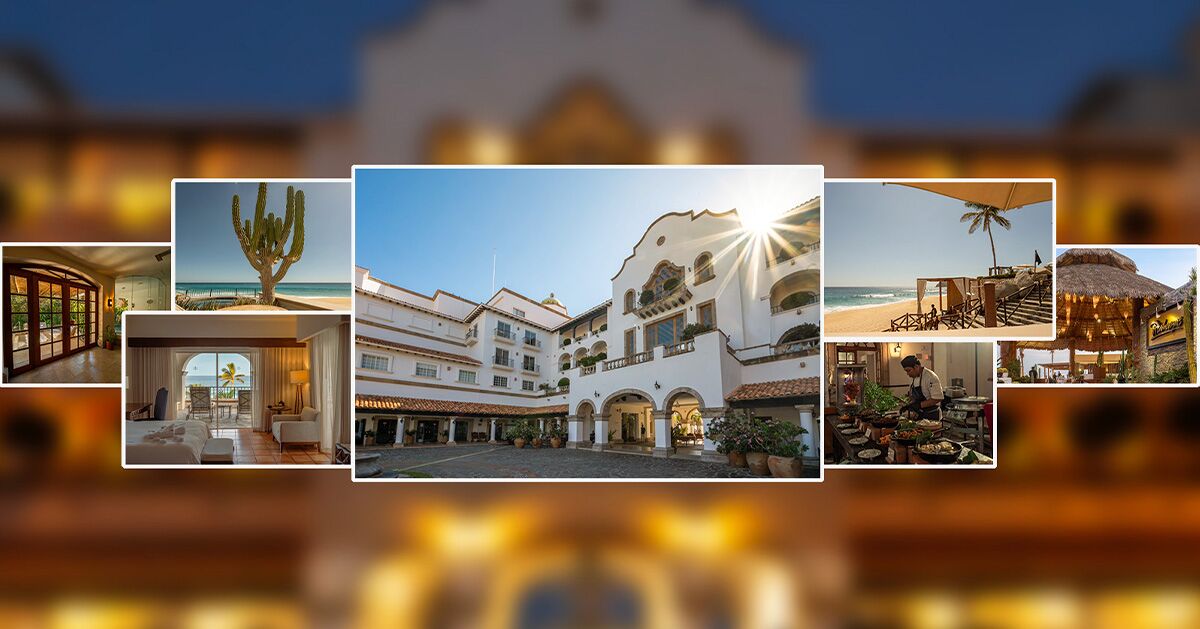
When Hacienda del Mar Los Cabos transitioned to an all-inclusive model in July 2025, it faced an identity crisis that many heritage properties encounter: how to maintain the refined character that built its reputation while embracing the energetic, activity-driven atmosphere that defines modern all-inclusive resorts. The answer, based on my recent visit, is that it doesn't have to choose. Instead, the property has created something genuinely uncommon—a resort that honors three decades of history while delivering the comprehensive amenities guests now expect from all-inclusive packages.
The key differentiator, as social media manager Fatyma Camacho correctly identified, is food. Under chef José Lazcarro's leadership, Hacienda del Mar operates seven different restaurants, an extensive breakfast buffet, coffee shop, juice bar, sports bar, and ice-cream shop (the last with an upcharge). Consider Pitahayas, which opened in 1995 and built a formidable reputation for Pacific Rim cuisine and oceanfront views overlooking the Gulf of California. That this celebrated restaurant—where a dinner might include octopus carpaccio, blackfin tuna tostadas, and short rib with Oaxacan black mole, paired with wines from Valle de Guadalupe—is included in the room rate demonstrates genuine commitment to culinary excellence. Even the breakfast buffet transcends typical resort offerings with regional specialties like molotes, tetelas, and panuchos. This isn't performative luxury; it's purposeful investment.
The resort's architecture reinforces this philosophy. Built in the mid-1990s as a timeshare project in Cabo del Sol before joining Sheraton in 2000 and later Marriott's Autograph Collection in 2020, Hacienda del Mar retains the villa-style buildings, hand-painted tiles, stone passageways, and religious art collection that evoke old-school Los Cabos glamour. Guest rooms blend hacienda-style details with contemporary amenities like glass-walled showers. This aesthetic consistency—avoiding the sterile minimalism of newer properties—creates an inviting distinctiveness that newer all-inclusives struggle to replicate.
Yet Hacienda del Mar hasn't abandoned the lively atmosphere that makes all-inclusives appealing. The pools remain central to the daily experience, with volleyball, fitness classes, and organized activities keeping the property energized. A DJ entertains crowds at an outdoor kiosk, bands play Queen covers in the main patio, and a weekly Mexican celebration features mariachi music and folkloric dances. This vibrancy coexists with quieter refuges like Cactus Spa, where an indoor courtyard filled with tropical plants and small hydrotherapy pools offers genuine respite.
Three decades after opening, Hacienda del Mar demonstrates that all-inclusives needn't sacrifice sophistication to be successful. By leveraging its heritage, maintaining exceptional dining programs, and preserving distinctive architectural character, the resort proves that the all-inclusive model—often criticized as antithetical to authentic luxury—can deliver both comfort and genuine culinary and cultural substance. For travelers seeking the convenience of all-inclusive pricing without abandoning quality, Hacienda del Mar sets a compelling standard that newer competitors should study carefully.